Barn Record Manchester
RETURN TO ‘FIND BARNS’- Building Name (Common)
- Woodbridge Farm
- Building Name (Historic)
- Woodbridge Farm
- Address
- 495 Middle Turnpike East, Manchester
- Typology

- Overview
-
Designations
Historic Significance
Architectural Description:
Barn I:
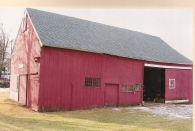
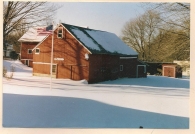
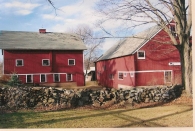
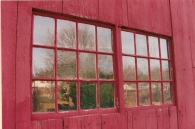
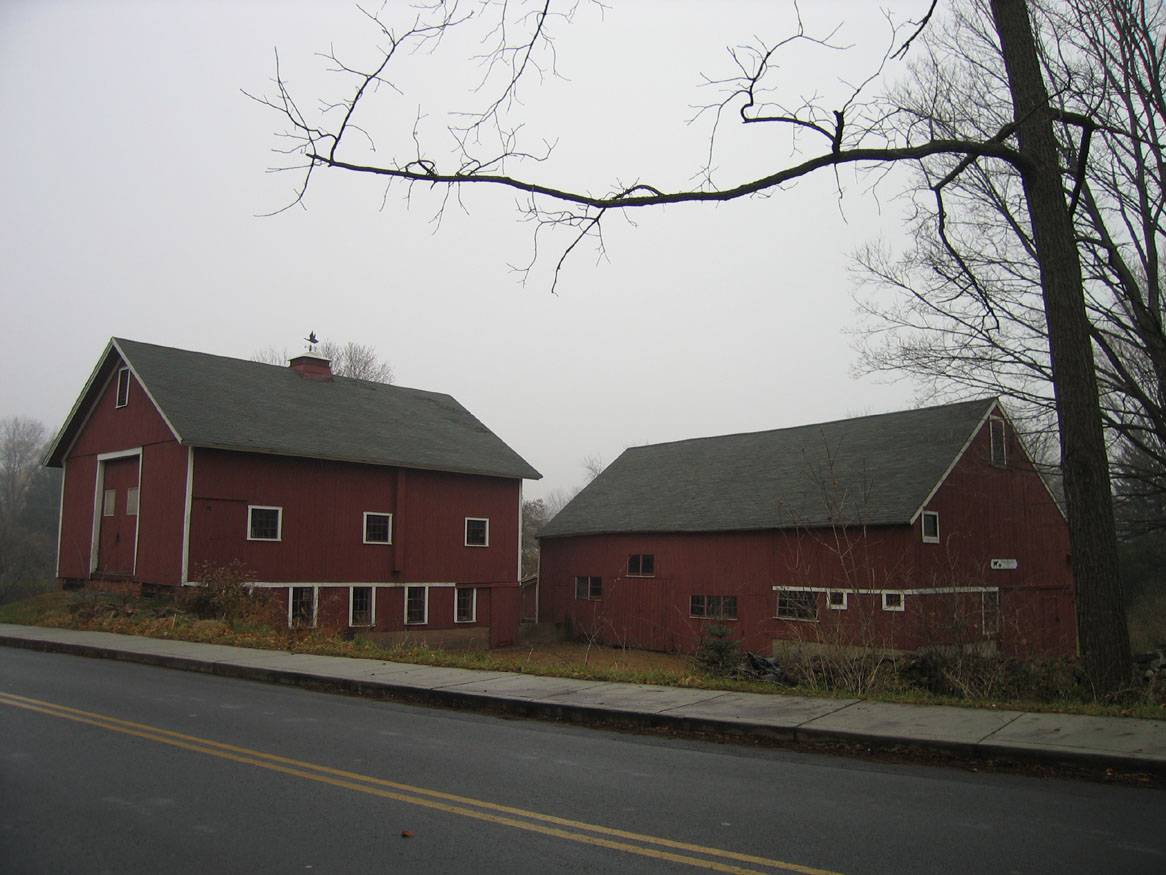
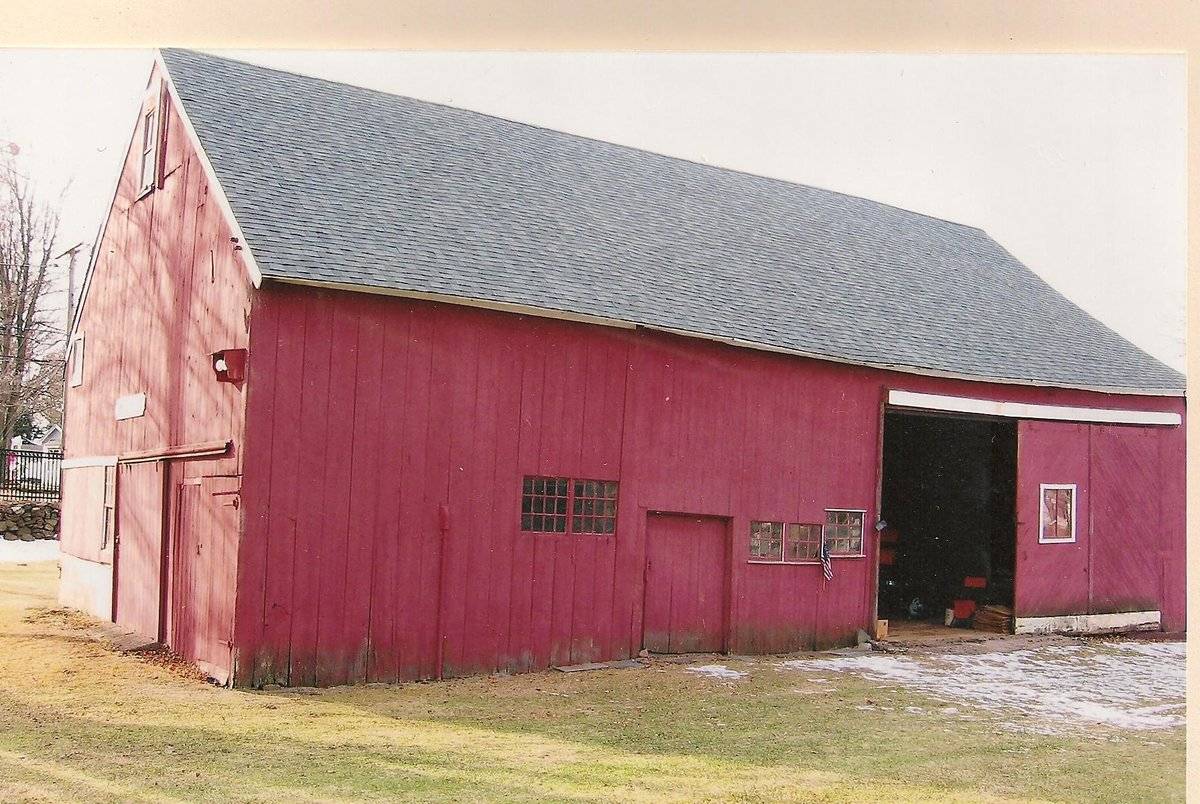
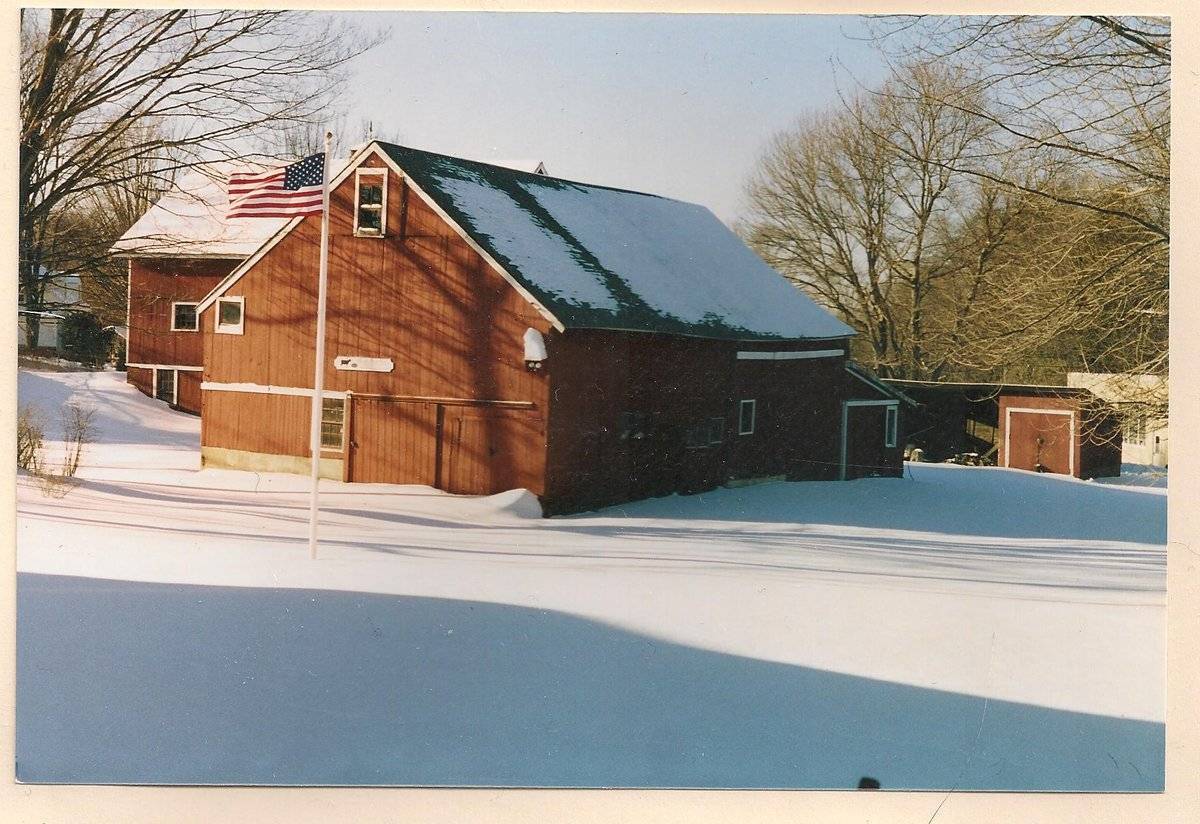
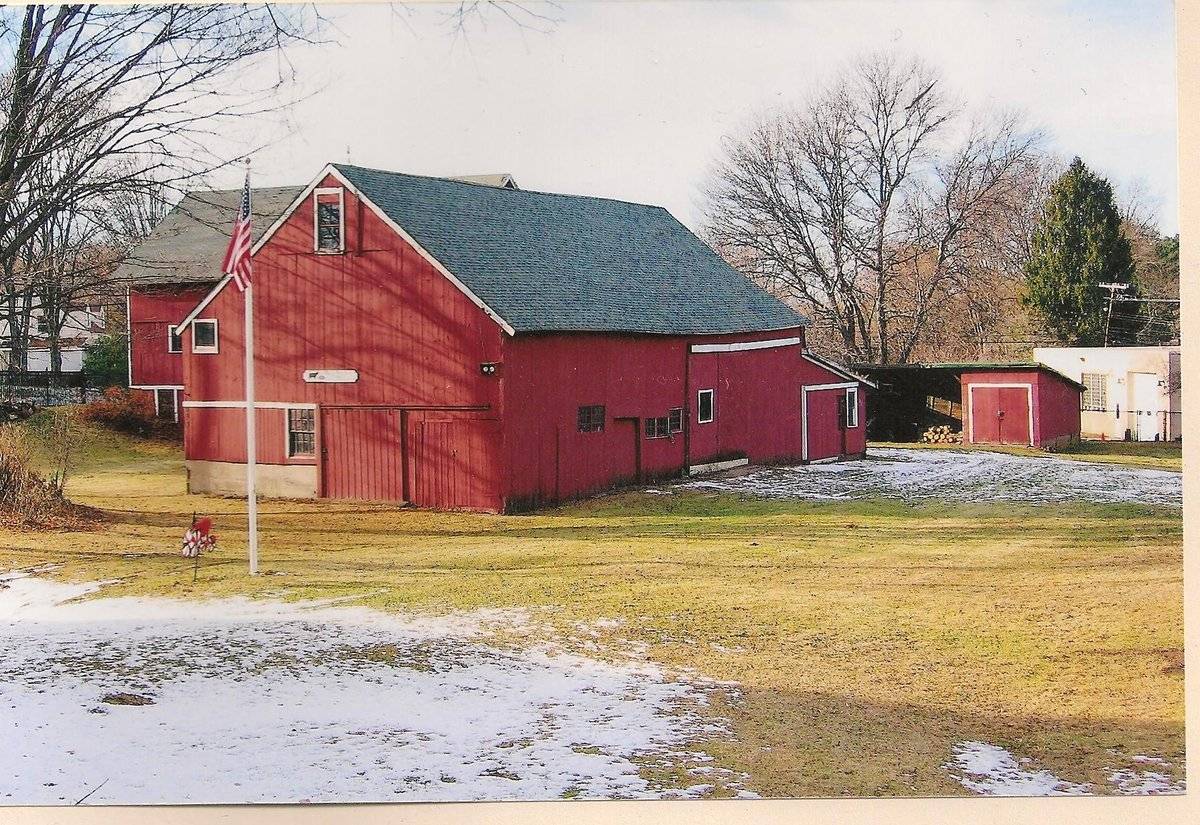
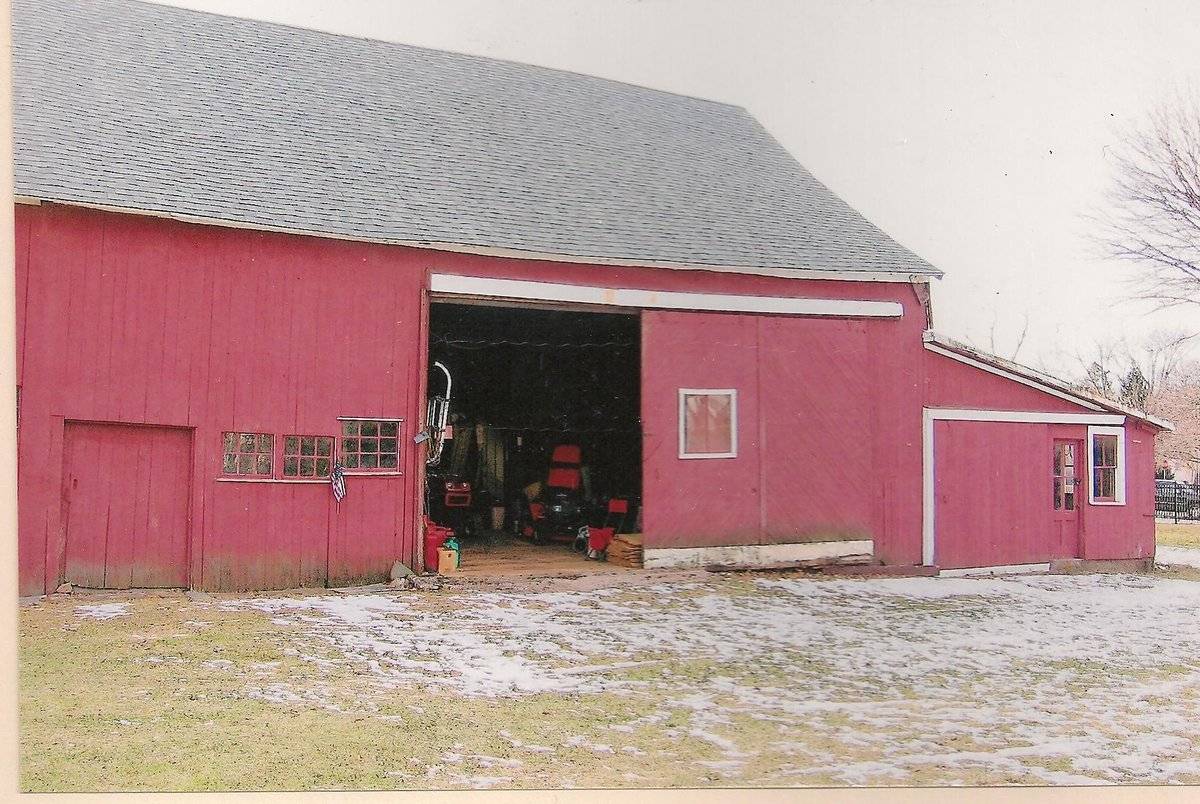
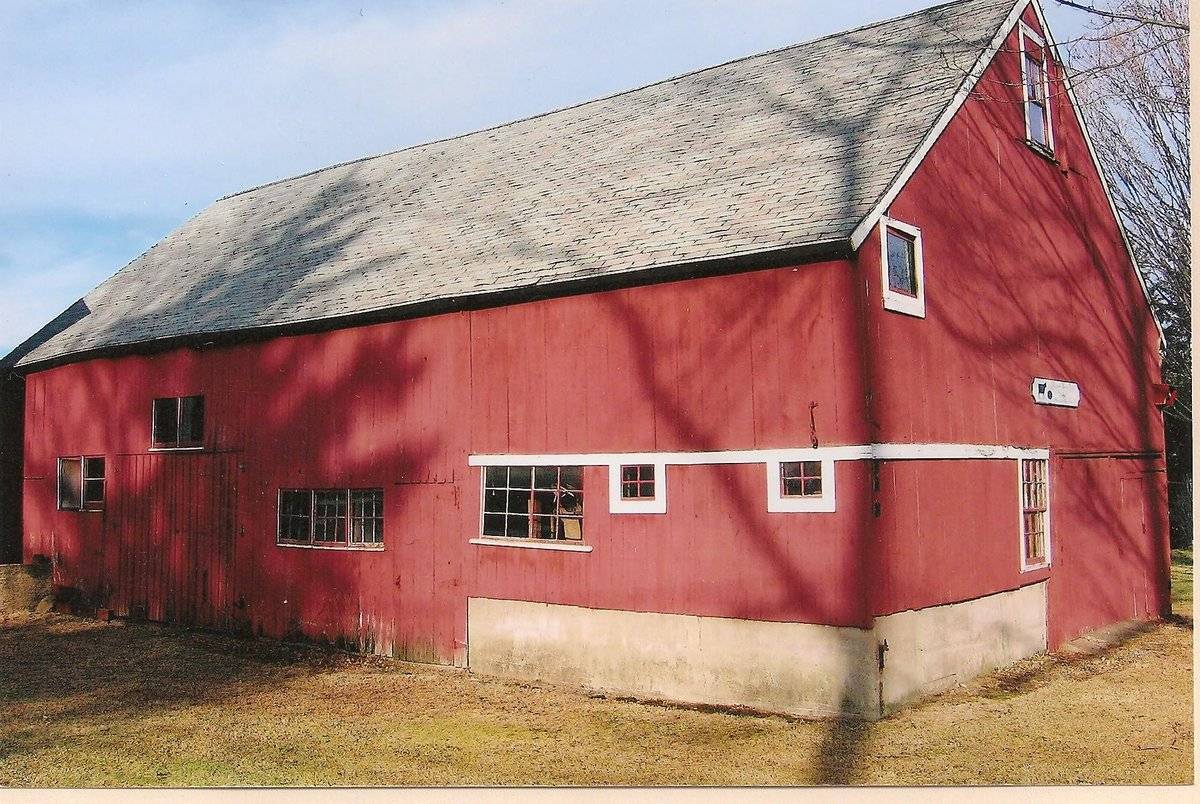
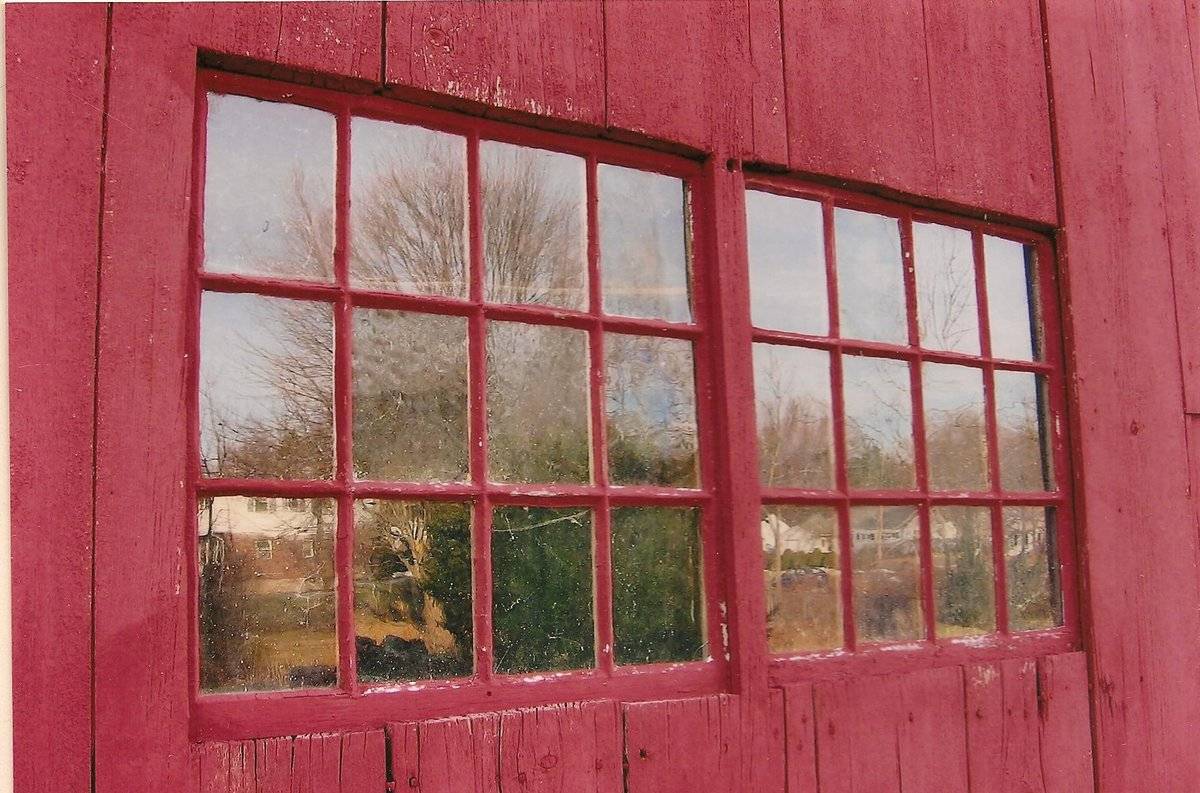
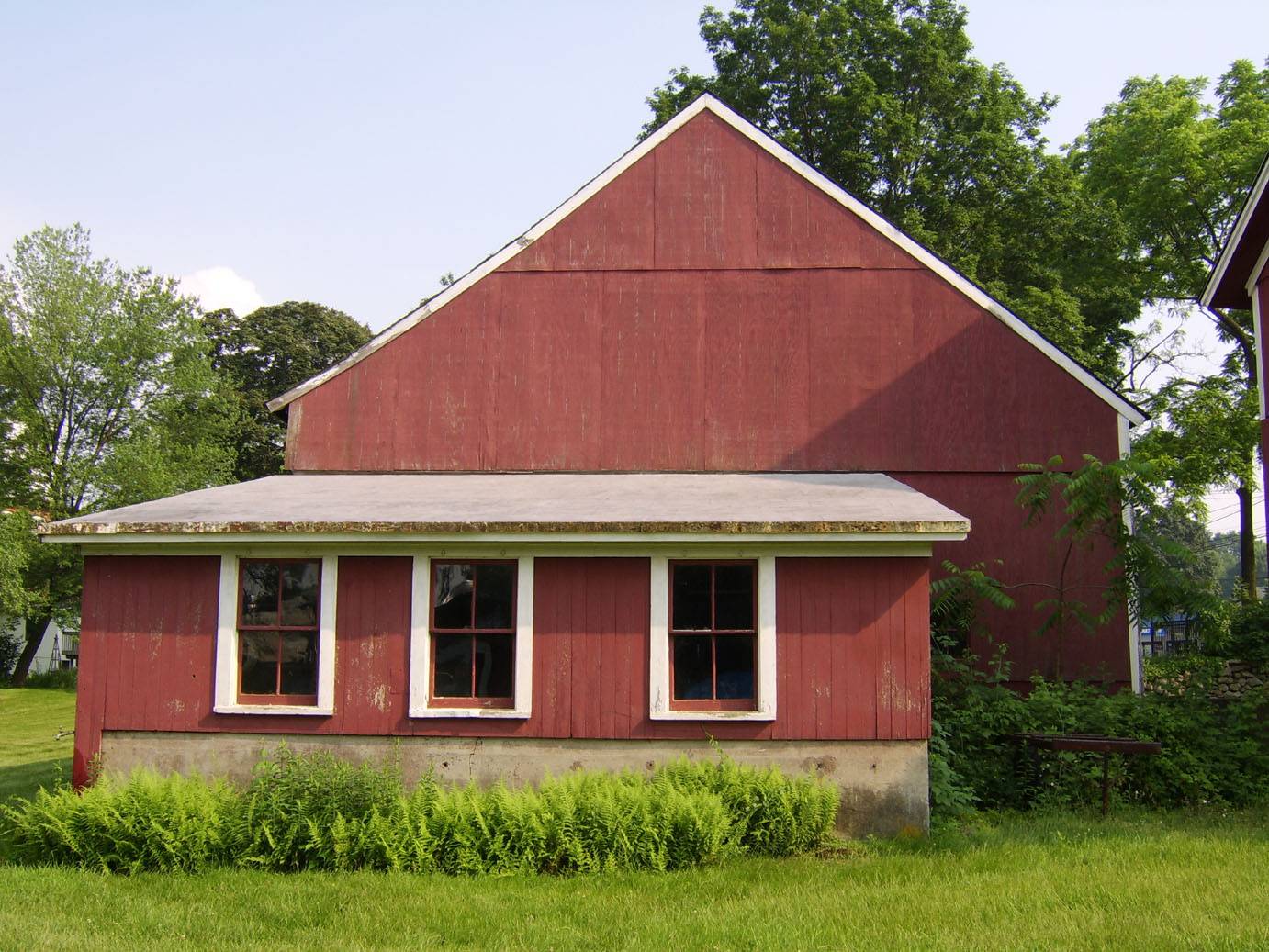
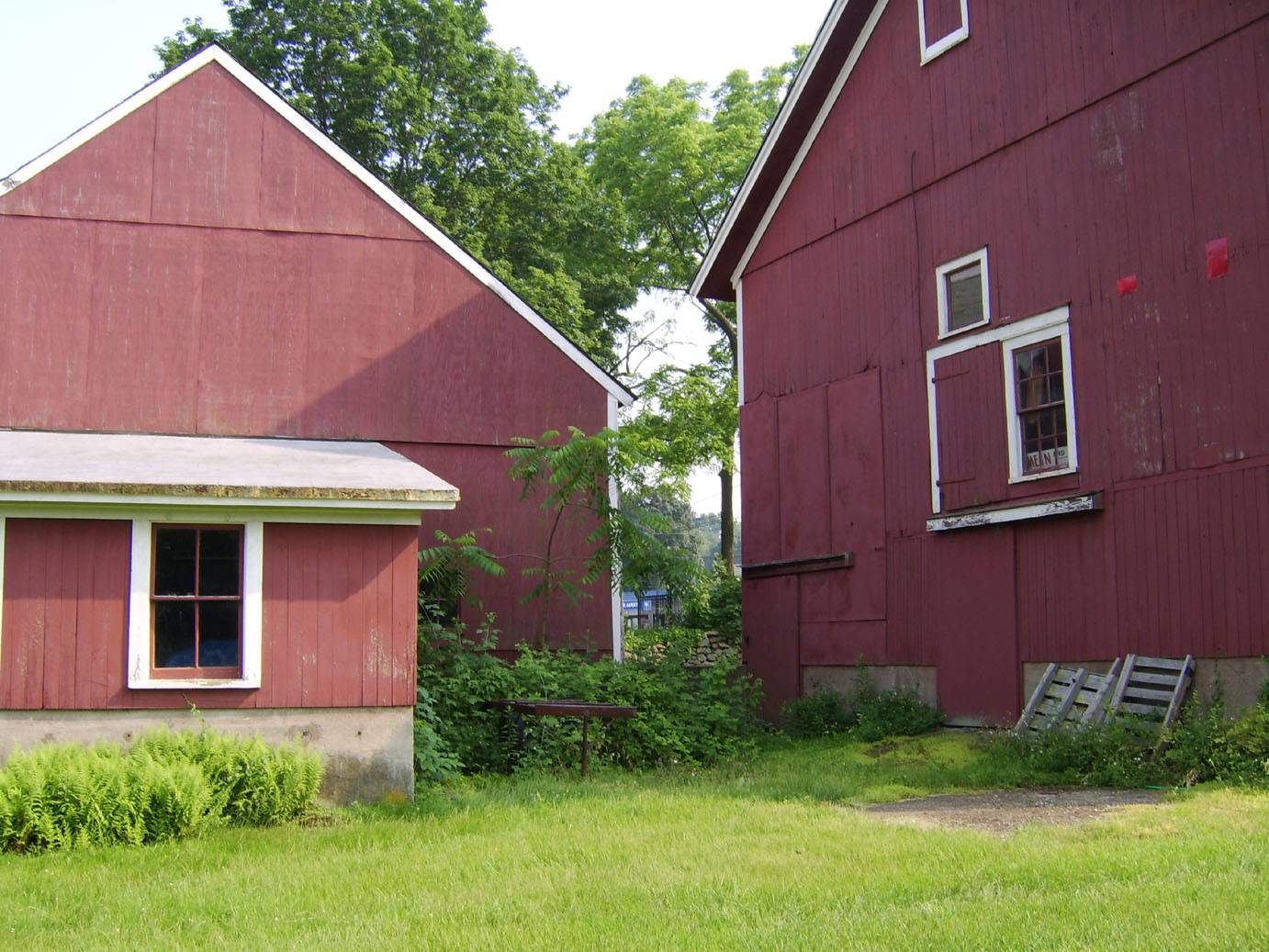
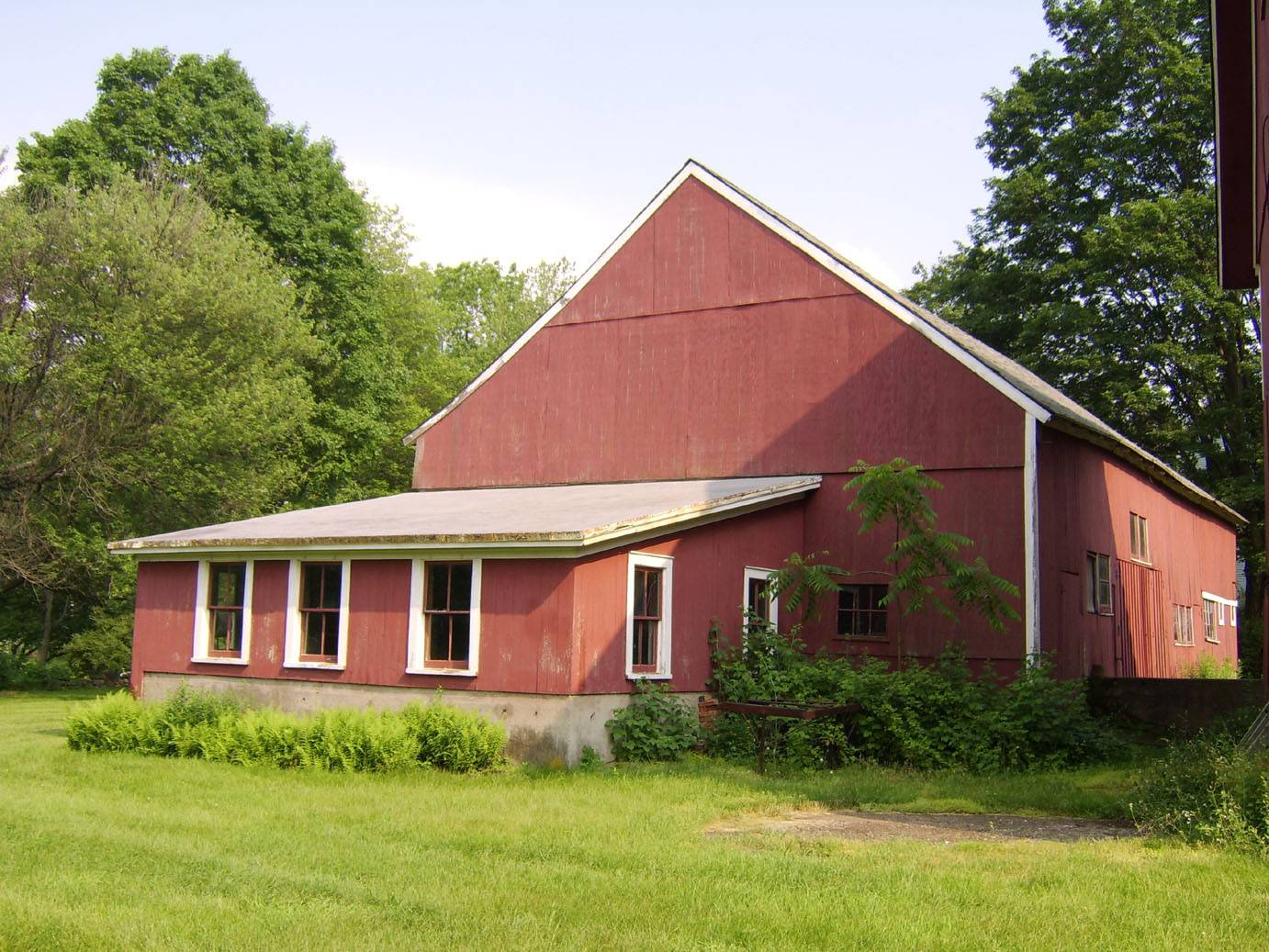
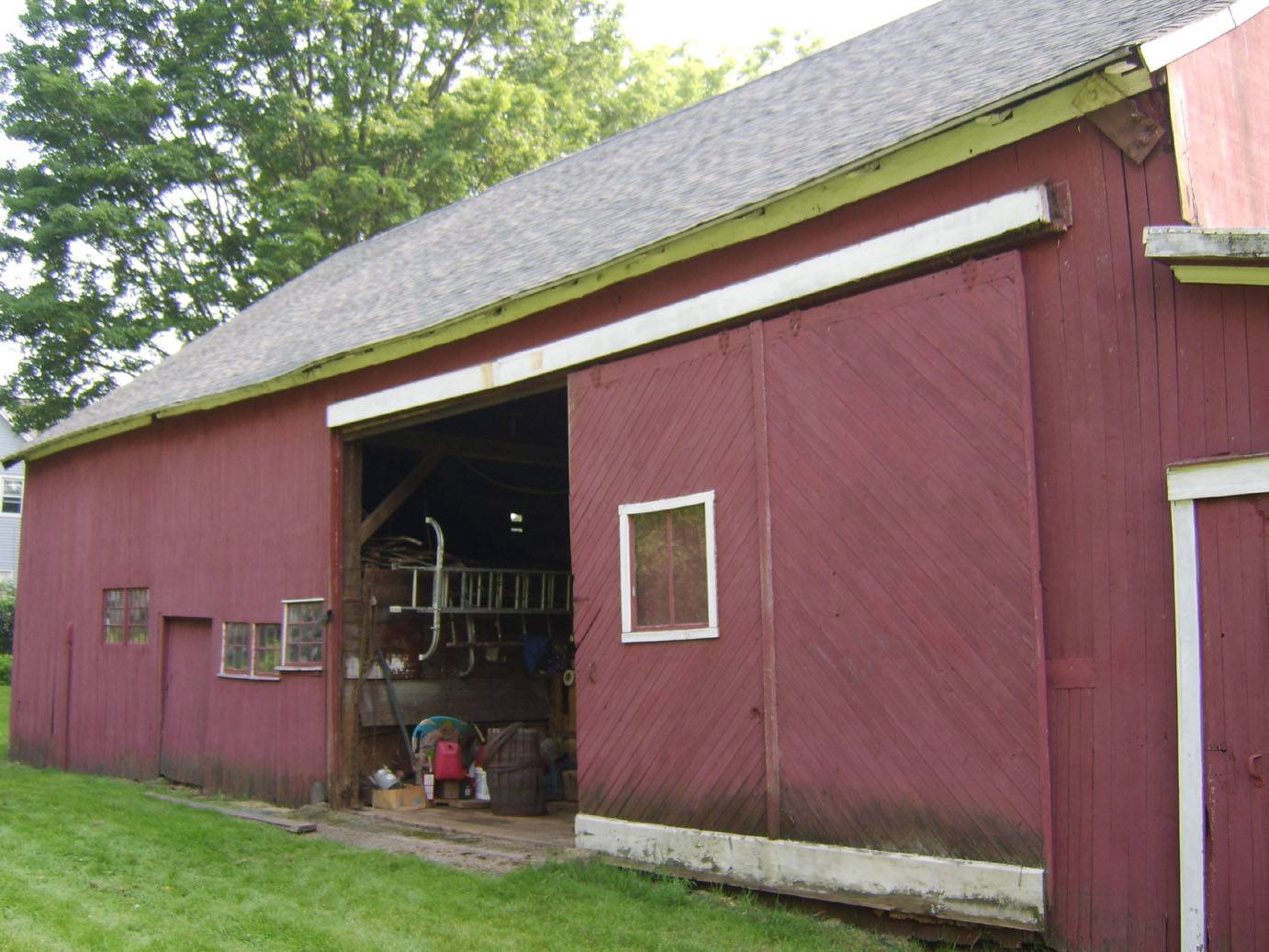
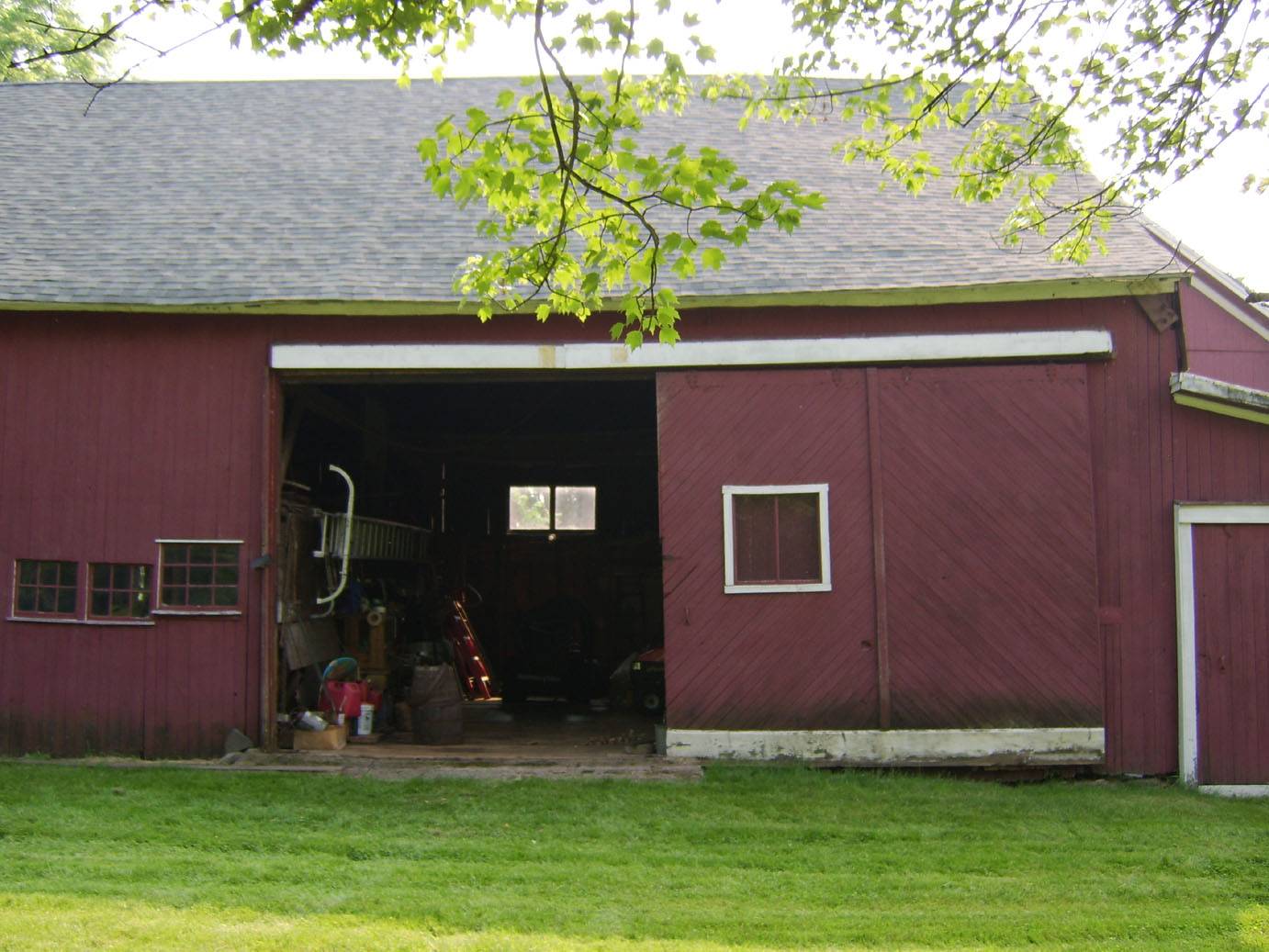
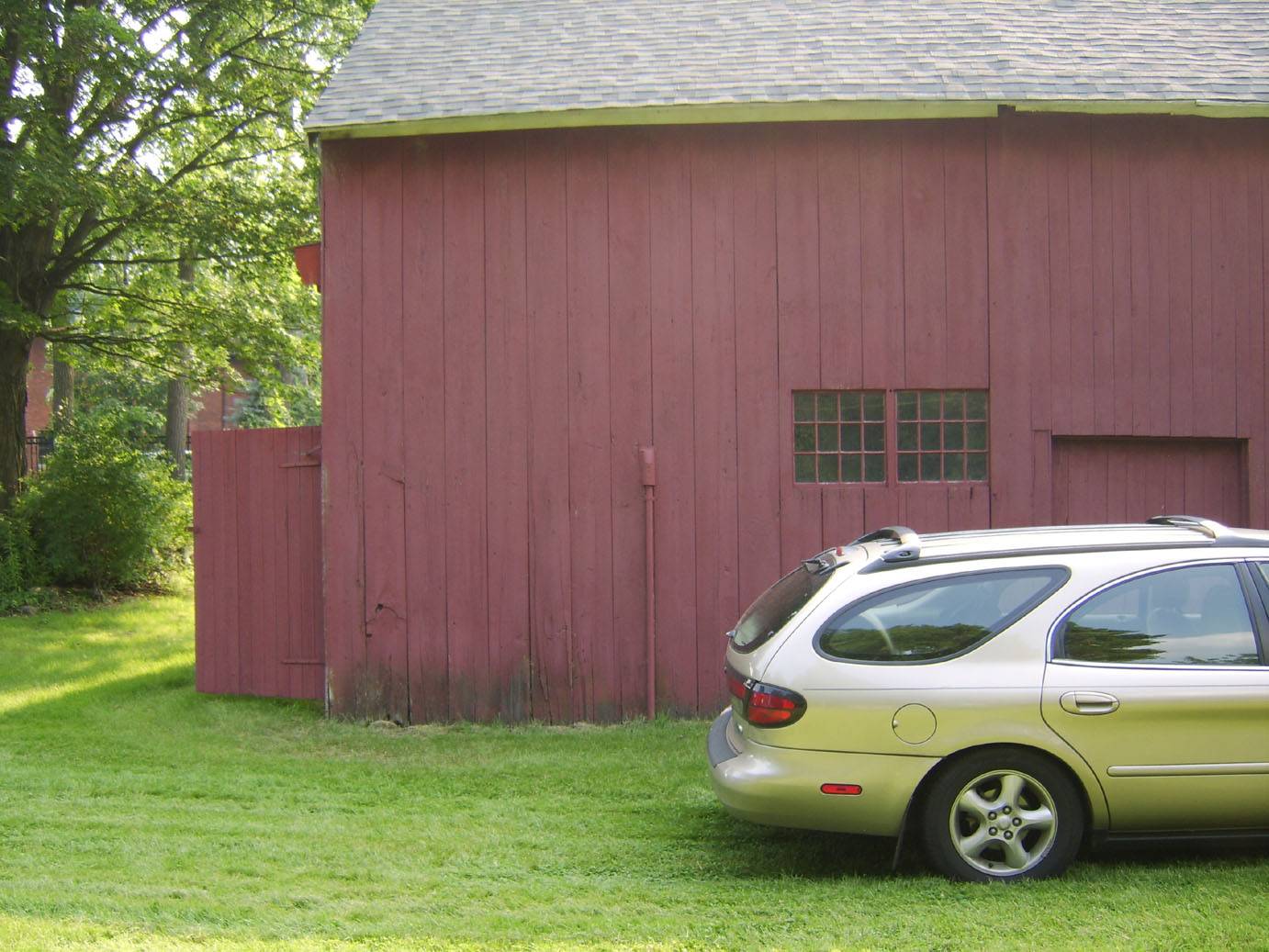
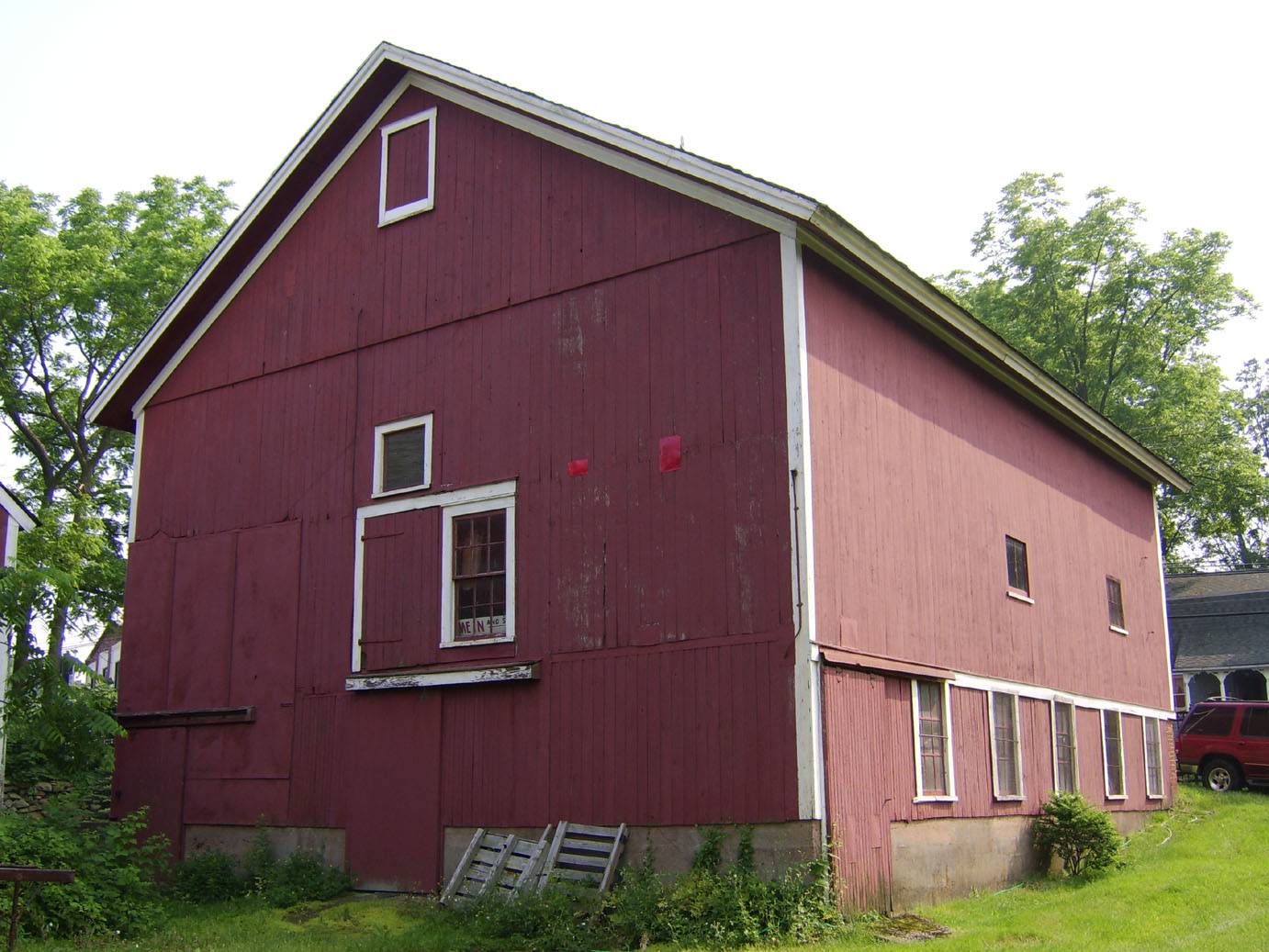
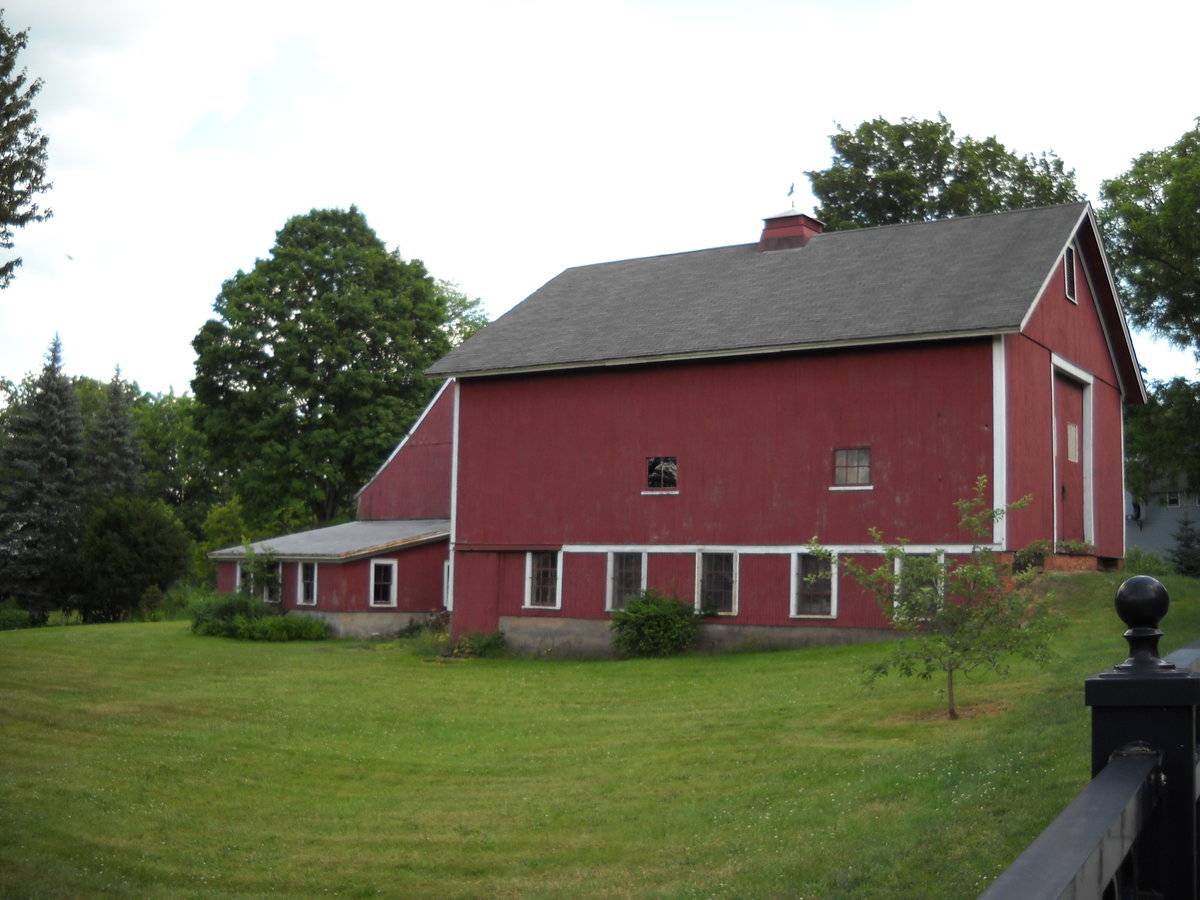
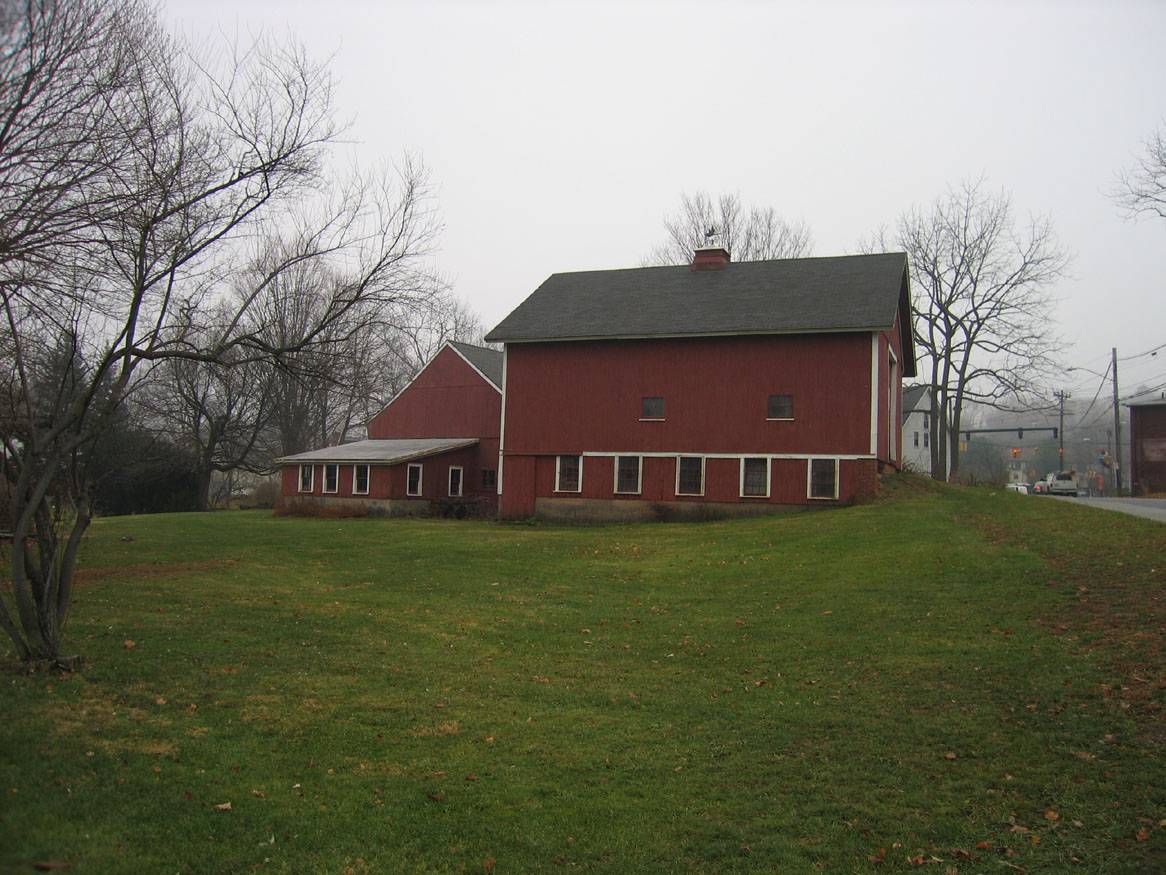
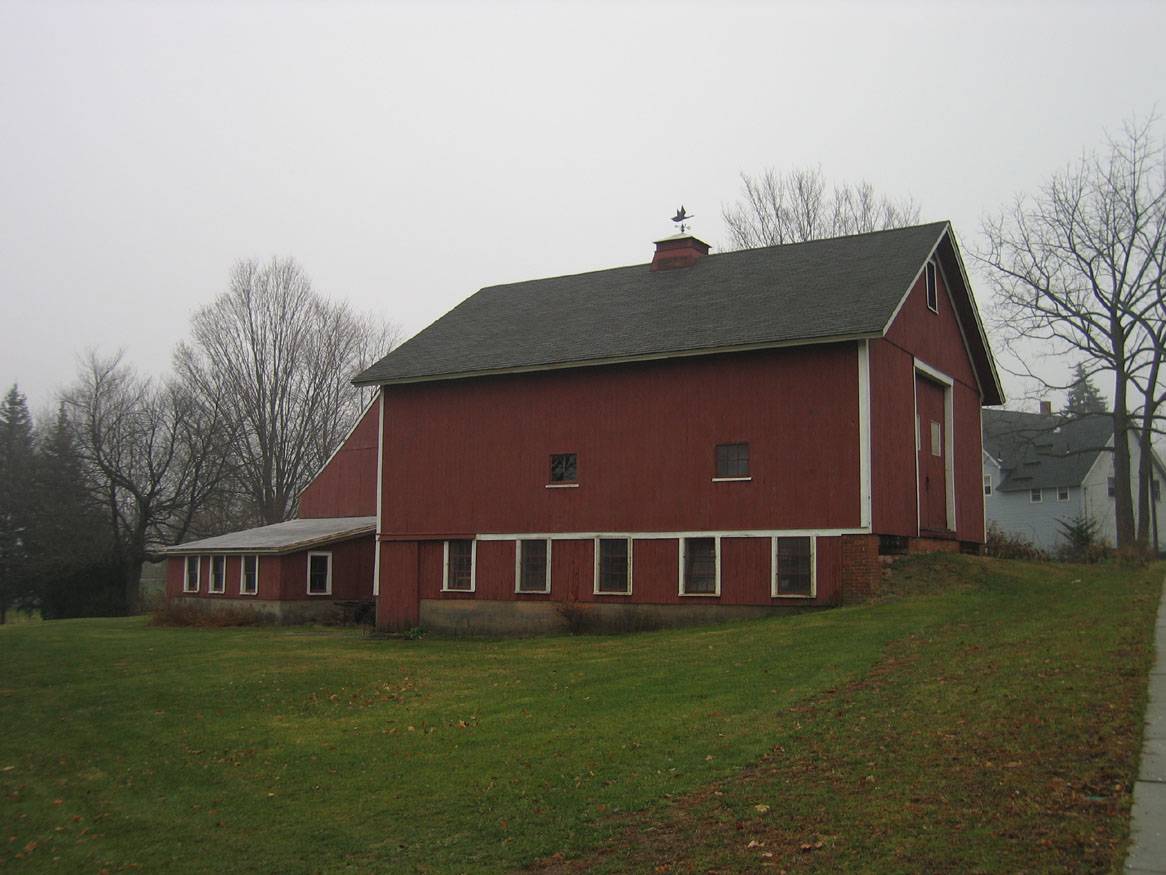
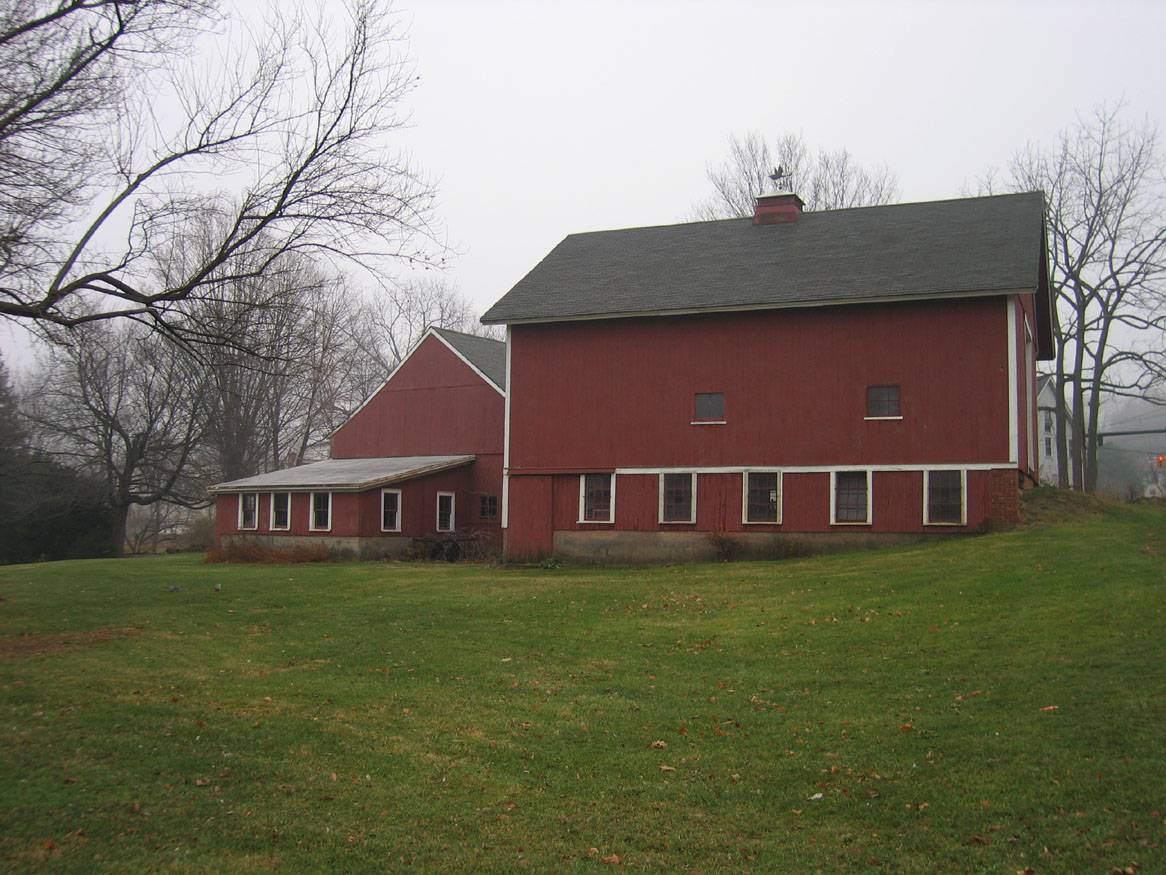
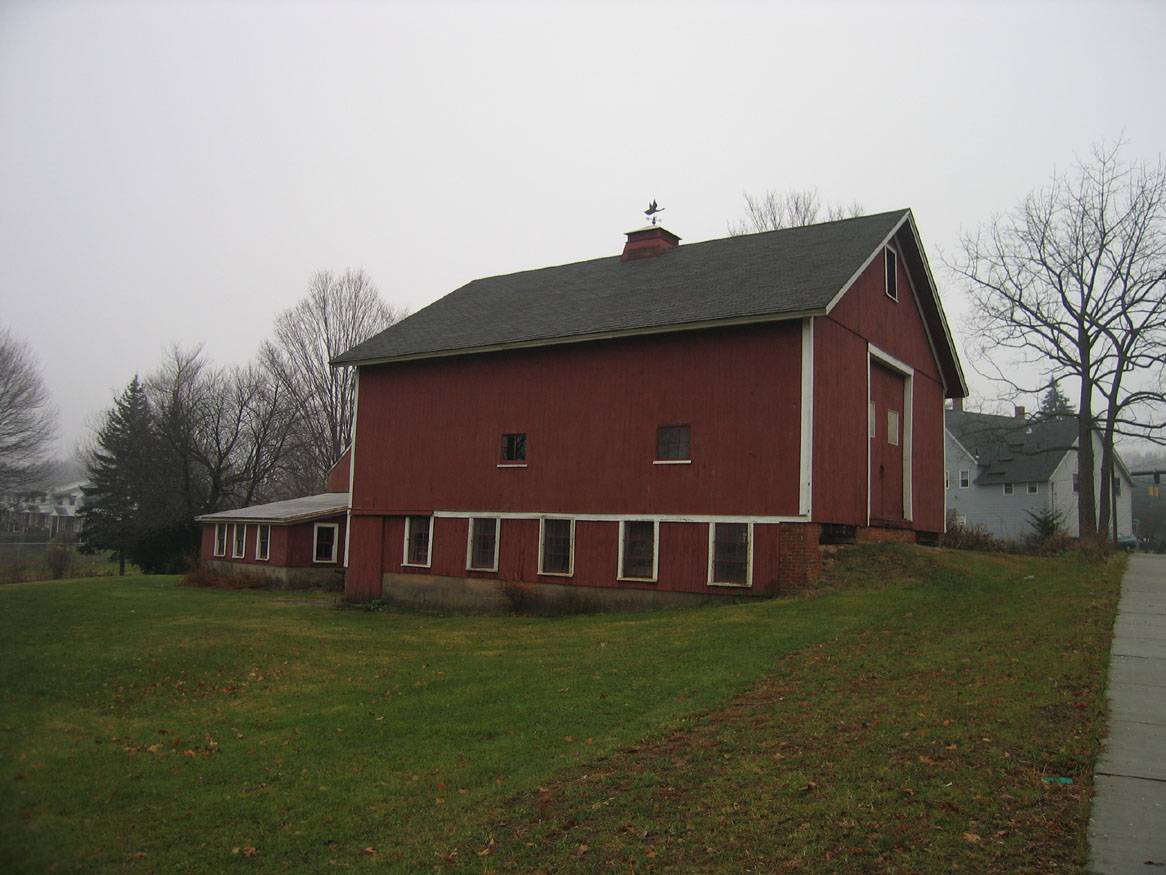
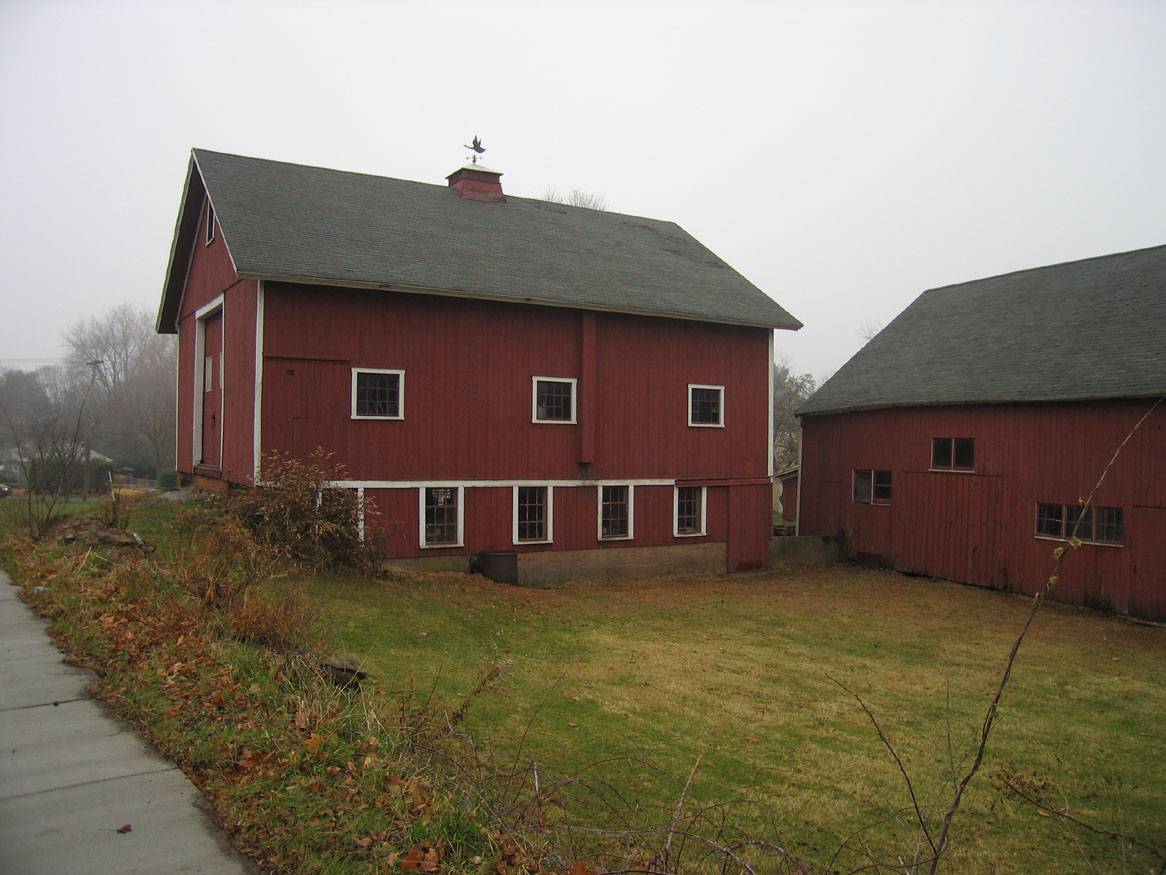
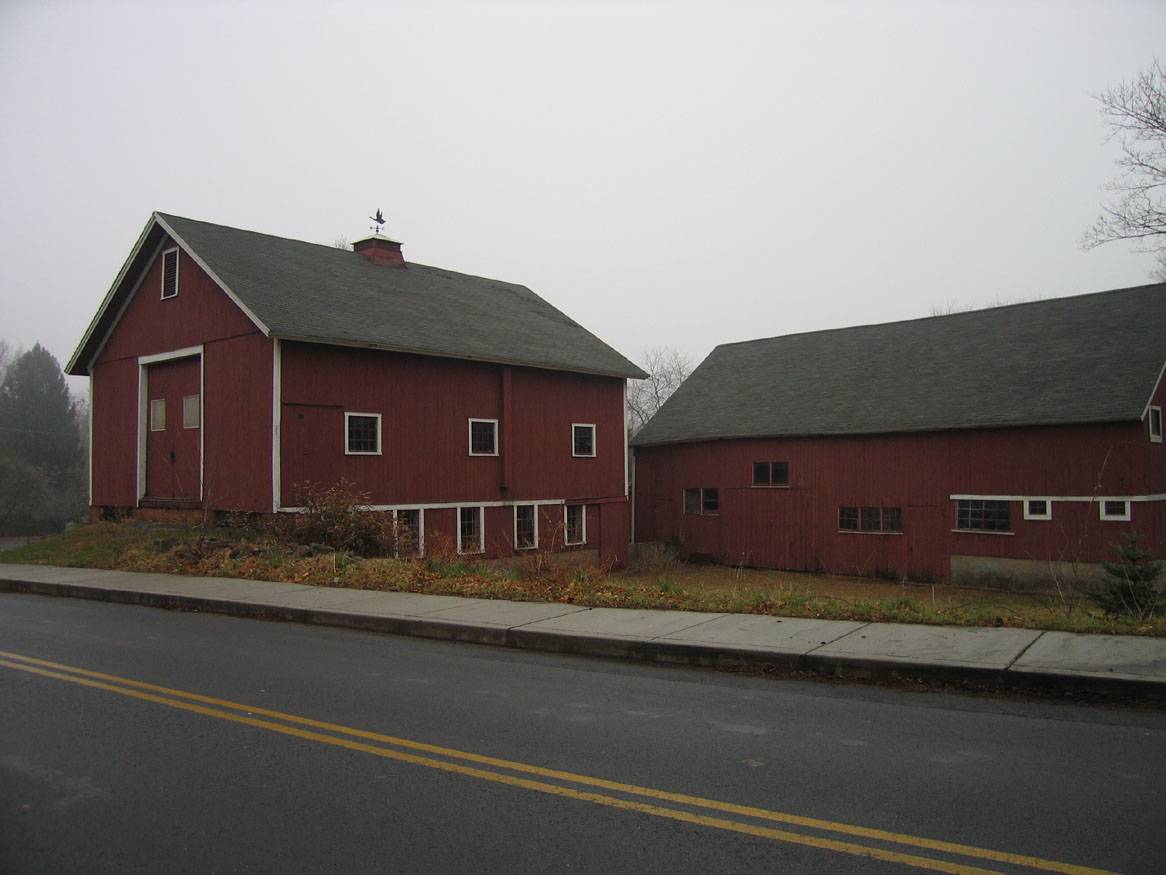
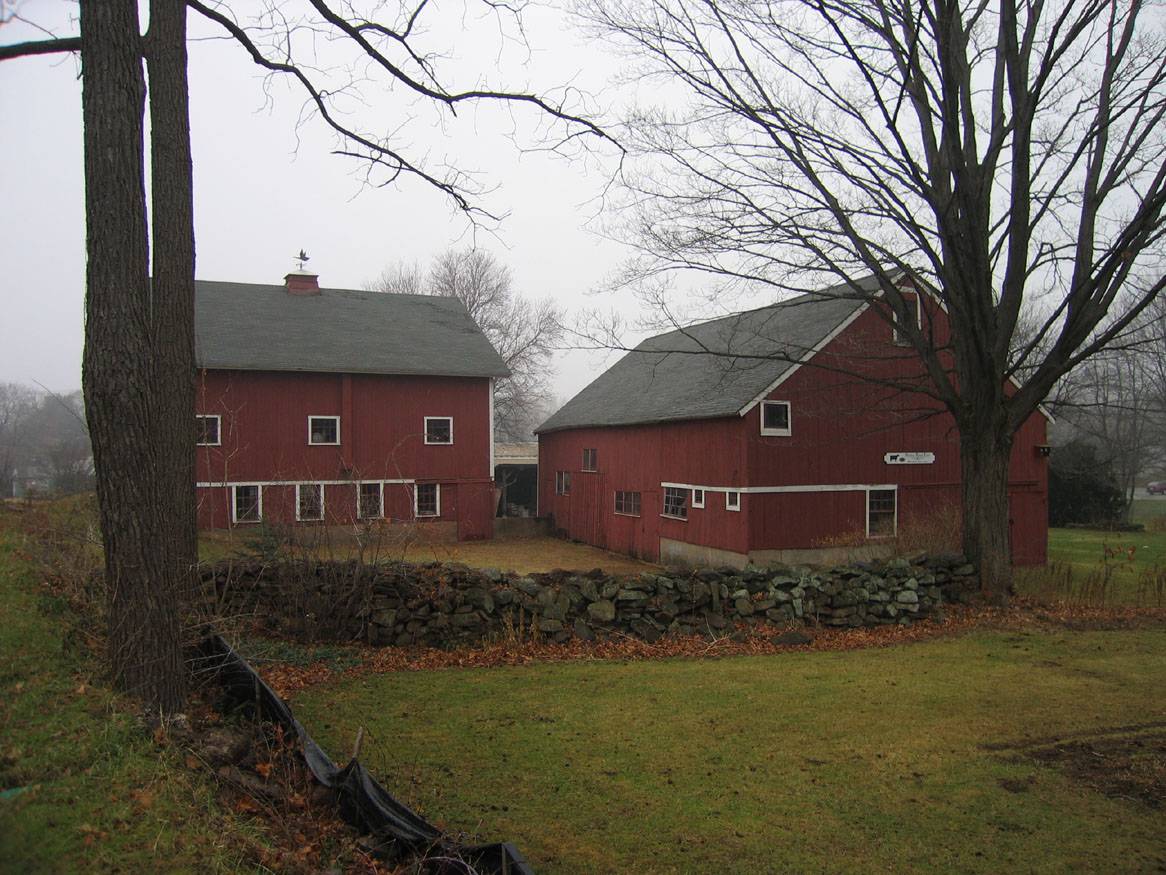
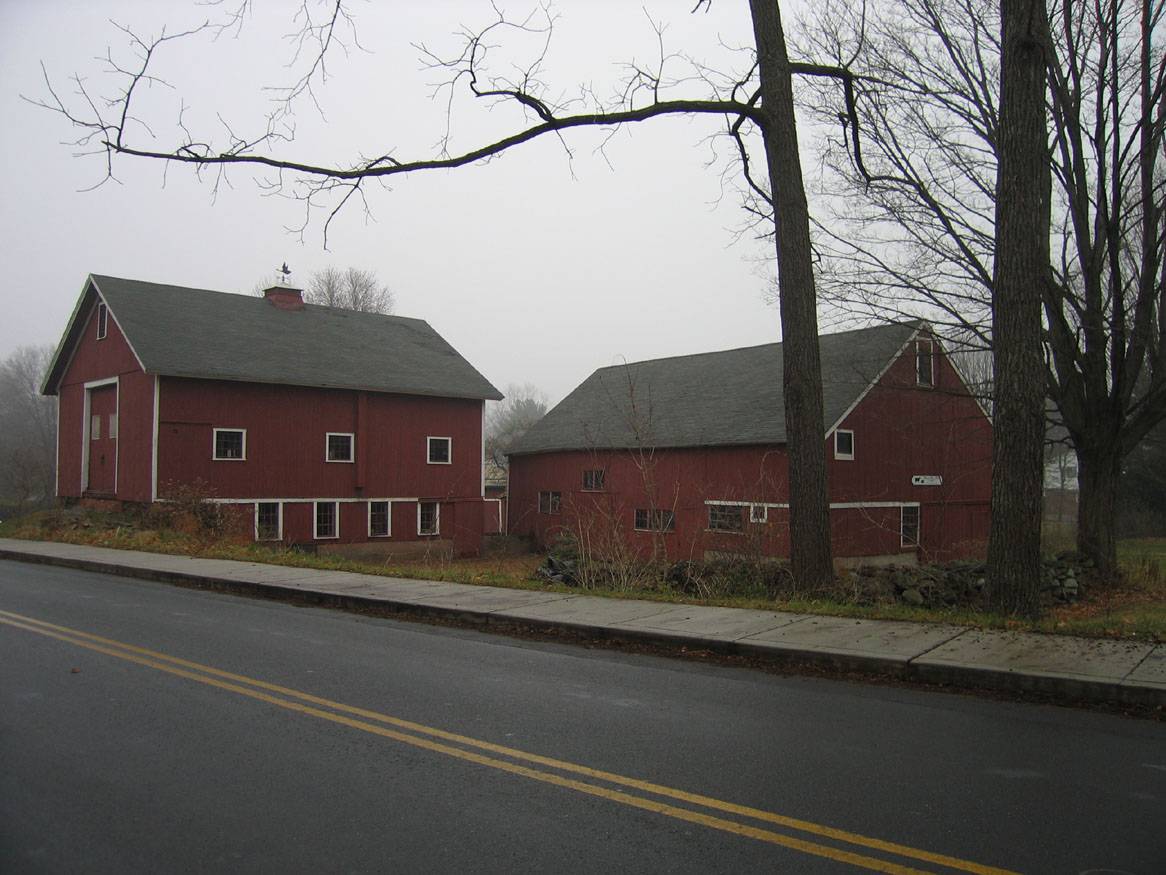
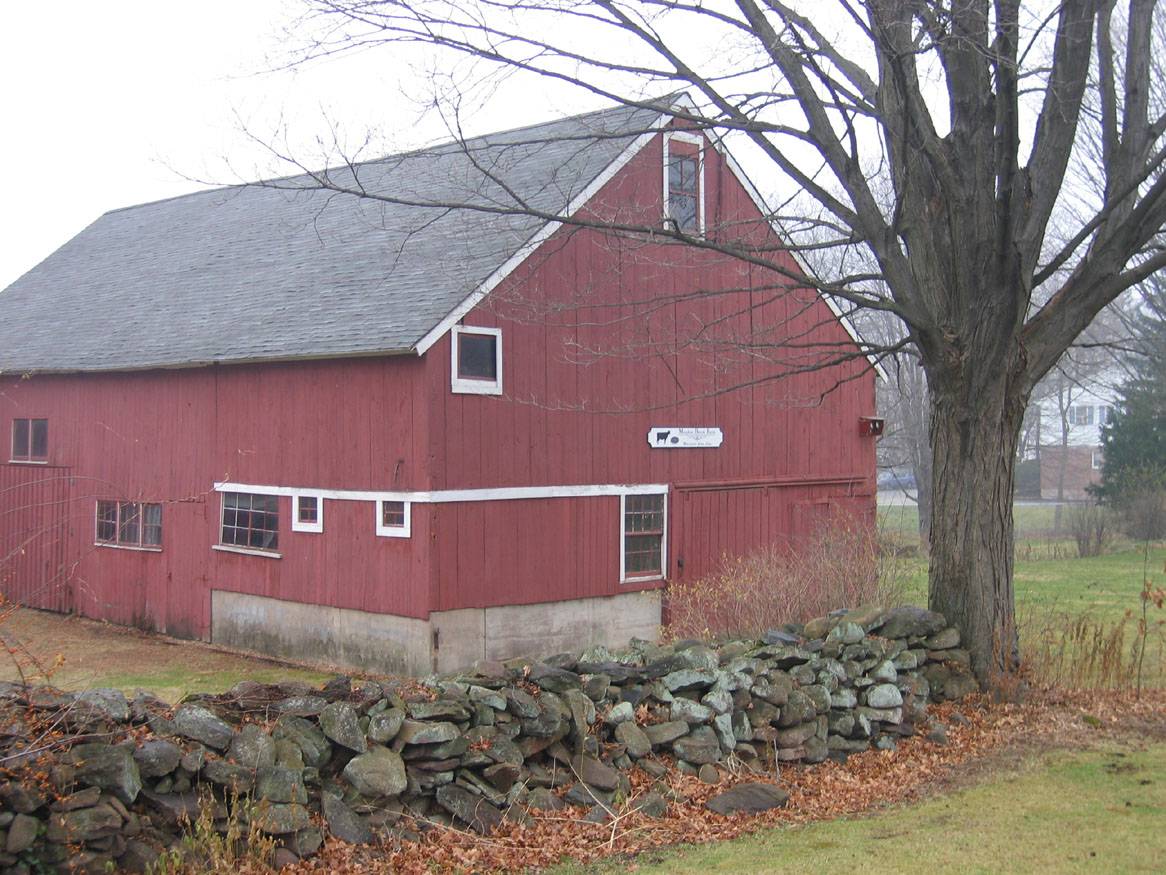
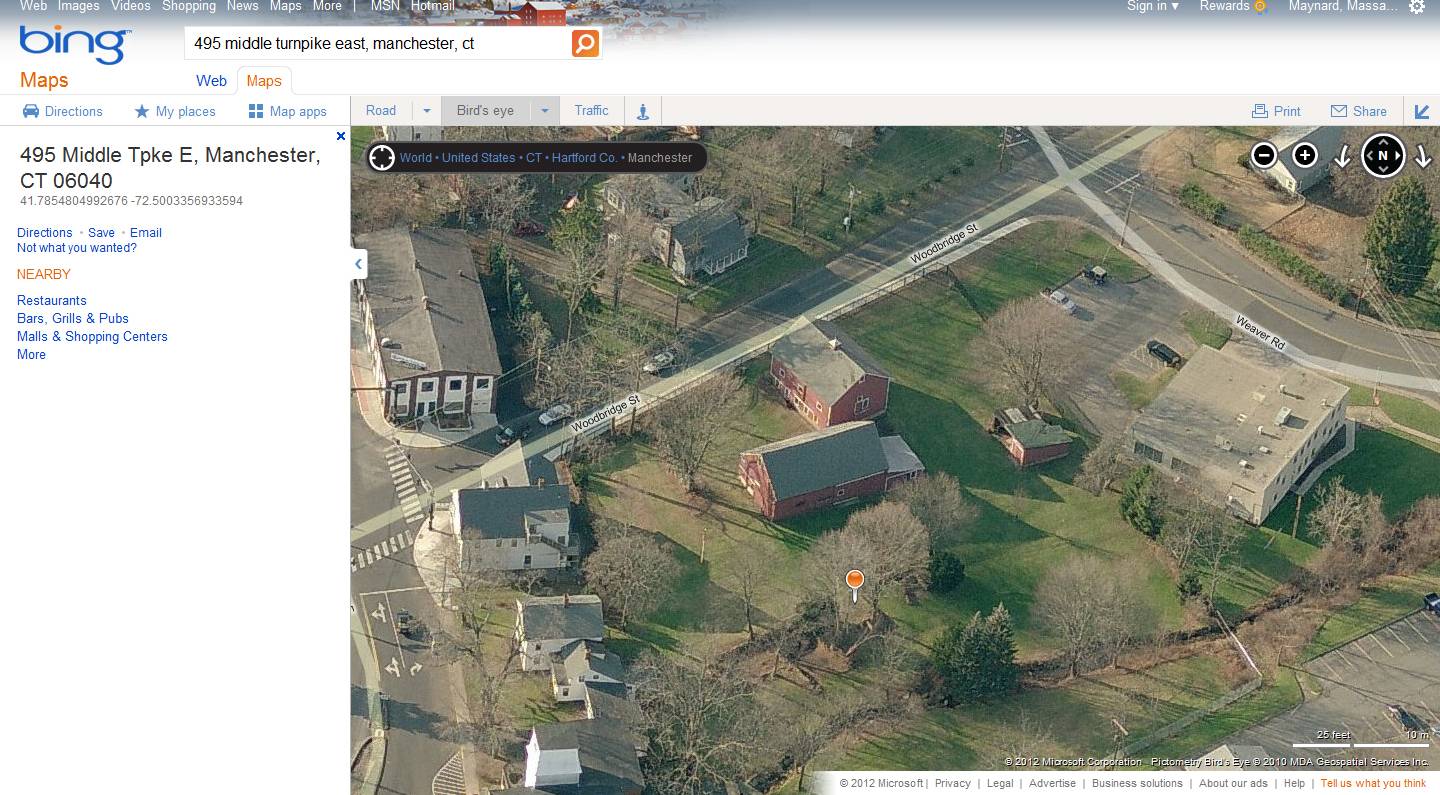
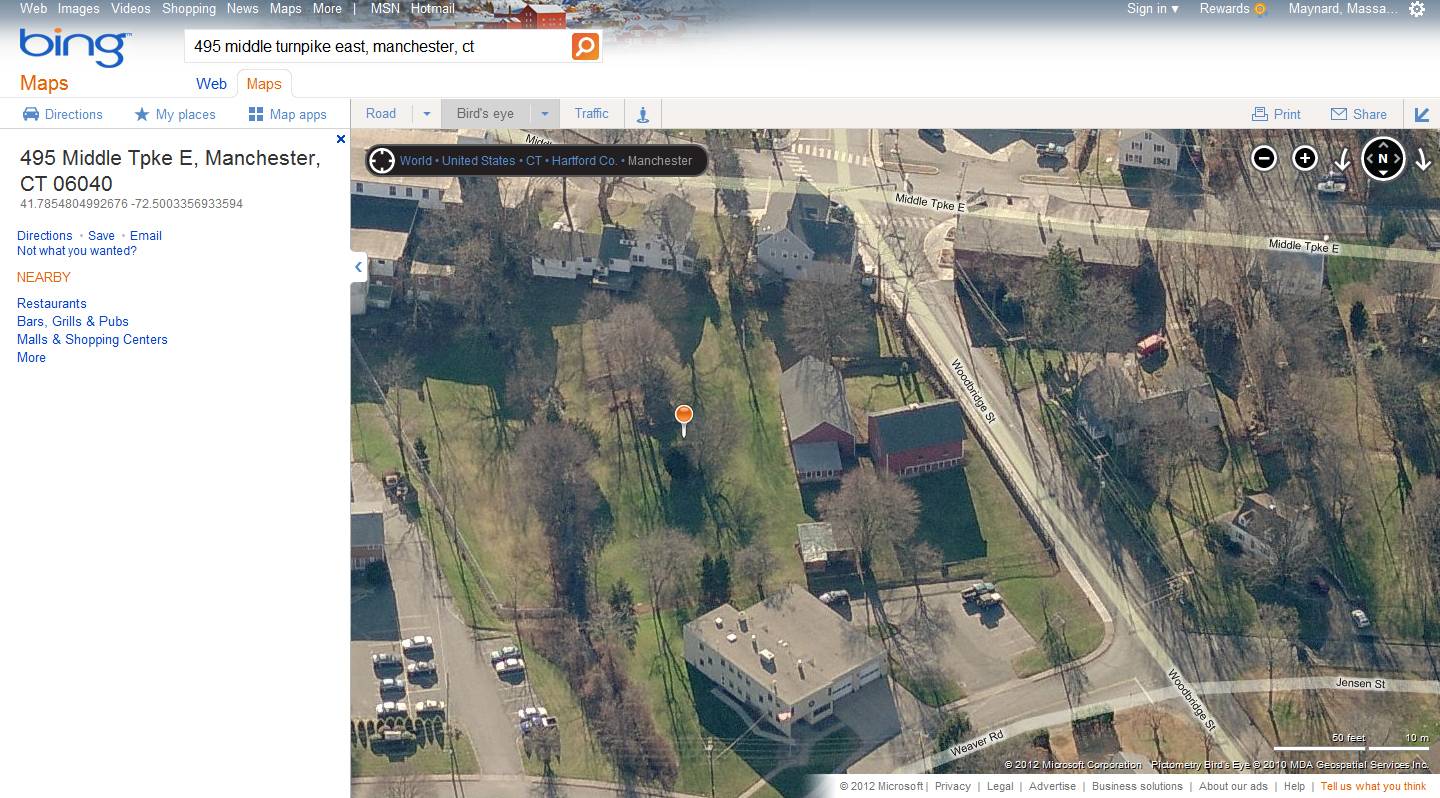
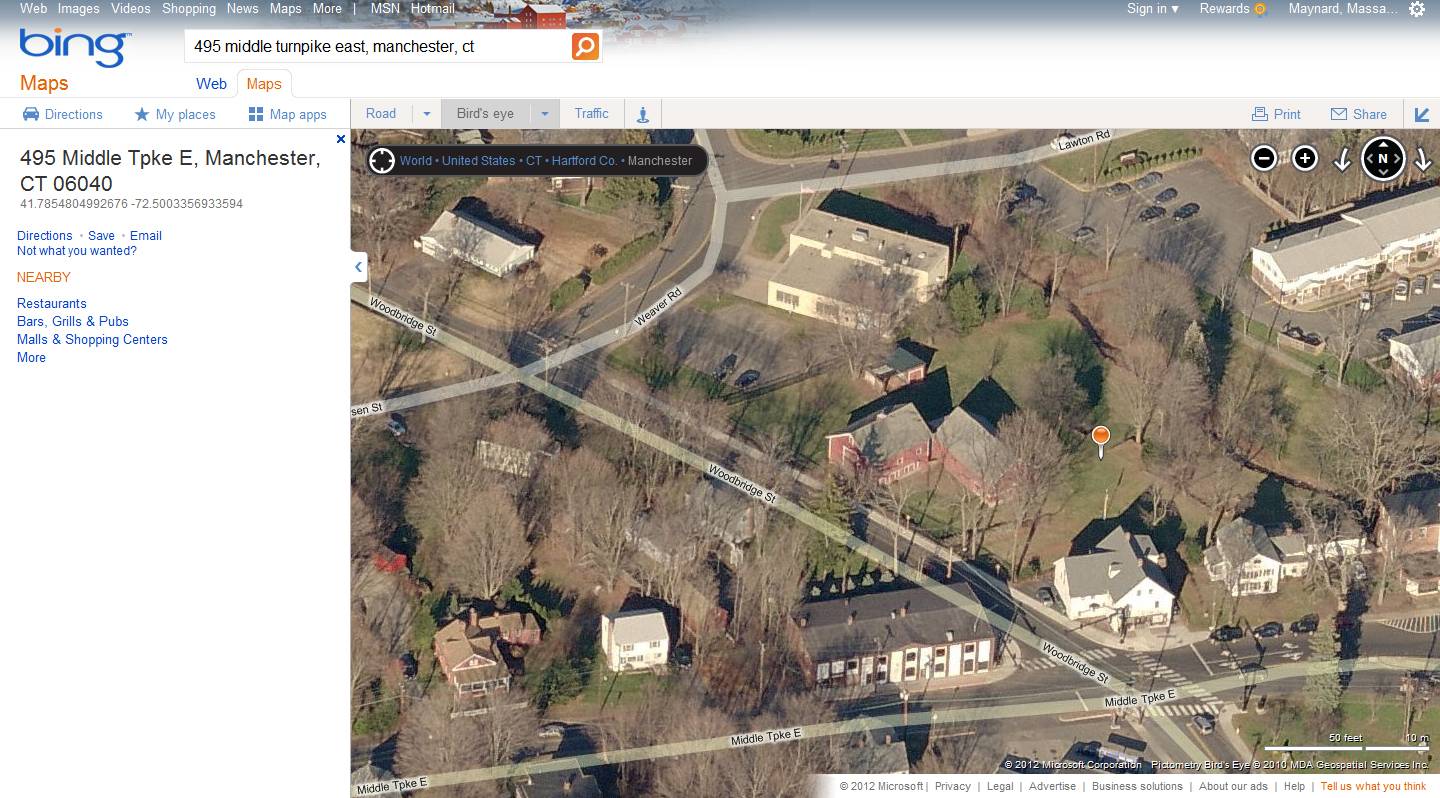
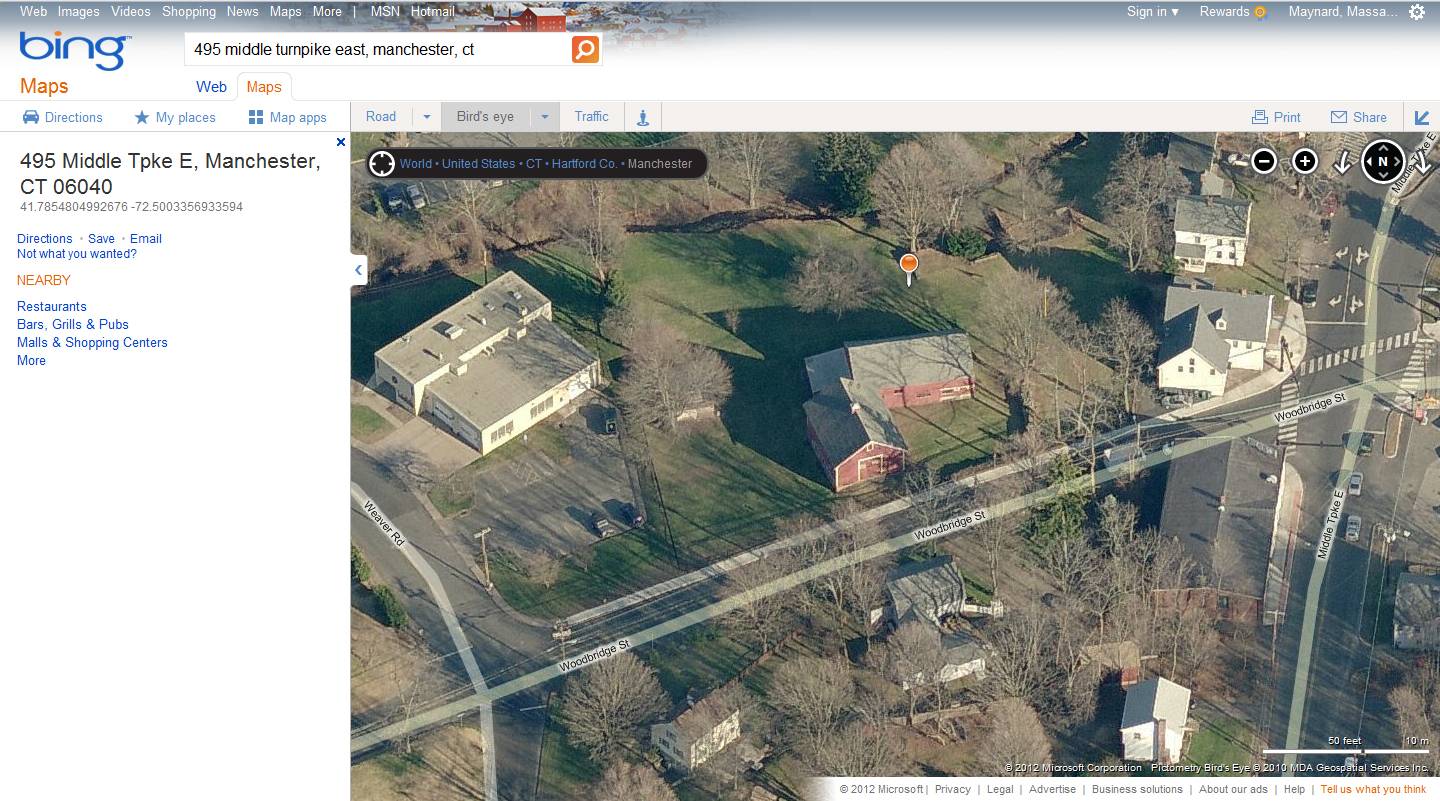
This is a 2 ½ story multi-bayed eave-entry gable barn with a secondary gable-entry. The west eave-side of the barn faces Woodbridge Street. The barn has a shed-roofed addition towards the north with another 2 ½ story gable-entry barn situated near its north-west corner forming a L-shaped layout. The ridge line of the main barn runs approximately north-south while that of the secondary barn runs perpendicular to it, approximately east-west. Barn I is oriented away from the road with its four-bayed eastern eave-façade as the main façade. The barn originally had three bays along the eave-side with a fourth bay added later towards its south gable-end. The main entrance to the barn from the main eave-façade is on the second bay from the north through a pair of double-height exterior-hung sliding wagon doors. The sliding door is mounted under a shallow hood and has a two-pane window insert. The third bay from north on the façade has a smaller single-height interior-hung sliding door flanked by two twelve-pane stable windows towards its south and two six-pane stable windows towards its north. An additional twelve-pane stable window can be seen towards the north, adjacent to the main wagon door entrance to the barn. The eastern gable-end of the shed-roofed addition is flush with the eastern eave-façade of the main barn towards the north and has a pair of exterior-hung sliding doors. A single-leaf panel-hinged door with a shallow-hood can be seen towards the northern edge of the façade, followed by a four-pane double-hung sliding window. The northern gable-end of Barn I is blank apart from a single six-pane window insert towards the west. The shed-roofed addition covers almost two-thirds of this side from the east with its northern eave-side punctuated by three four-pane double-hung sliding windows. A band of exposed concrete foundation can be seen on this side just below the window sill line. The western four-bayed eave-side of Barn I has a pair of double-leaf hinged doors in the second bay from the north, mounted under a pair of square transom windows. The first bay on the façade from the north has a hinged pass-through door followed by two double-hung sliding windows. The third bay from the north has a series of three six-pane stable windows and a similar pass-through door. The last and fourth bay from the north has been separated from the rest of the eave-side with a white trim at the lintel level. This bay is punctuated by a large twelve-pane window and two four-pane windows, with exposed concrete foundation. The southern gable-end of Barn I has a pair of exterior-hung sliding doors placed off-centered towards the east, mounted under a wooden sign. The door is flanked by a six-over-six double-hung window towards its west and a hinged pass-through door towards the east. This side also has a square window near the eave towards the west and a six-over-six double-hung window just below the apex of the roof. The south gable-end of Barn I is broken by the white trim and exposed concrete foundation wrapping from the western eave-side.
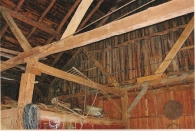
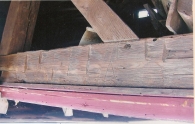
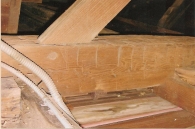
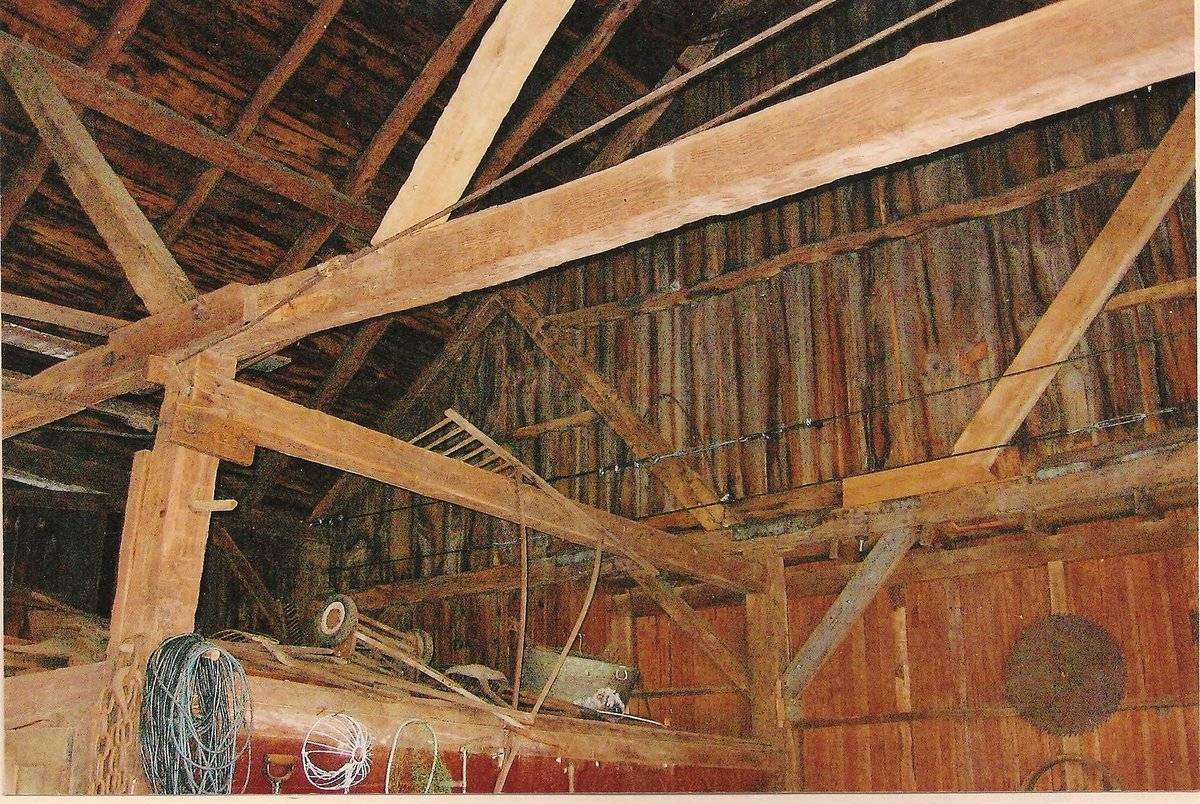
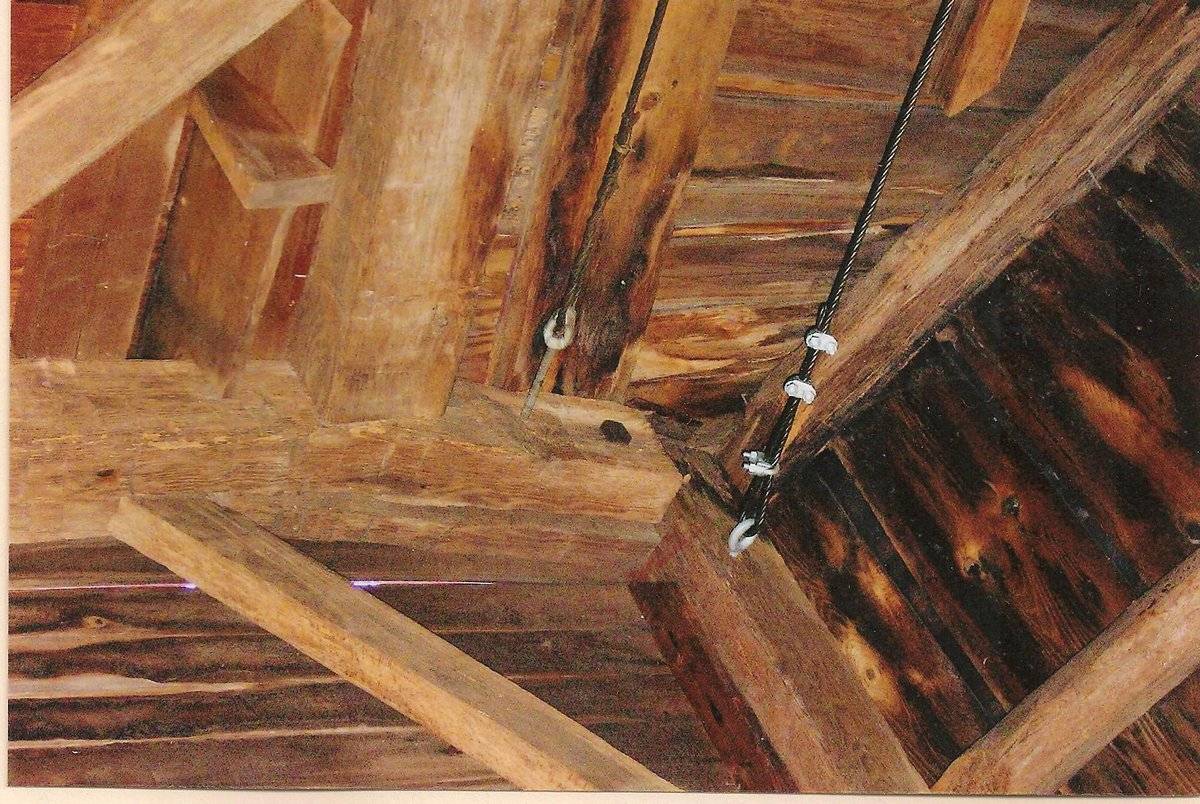
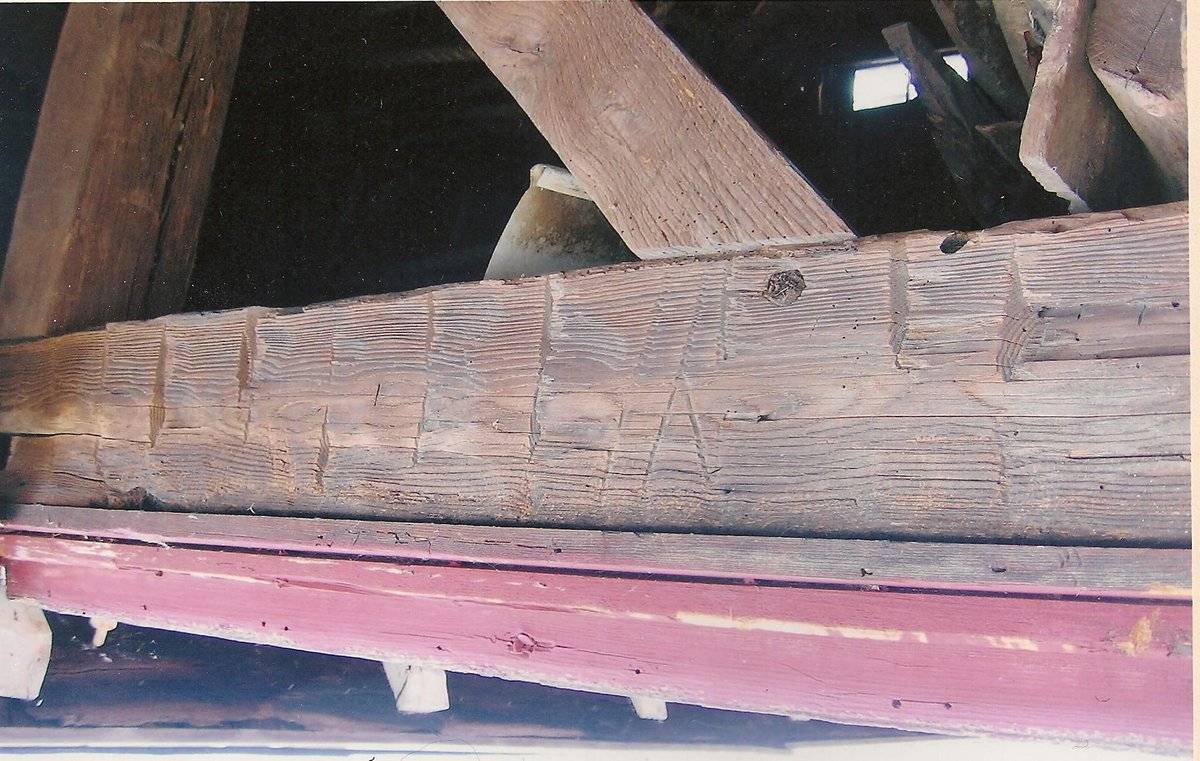
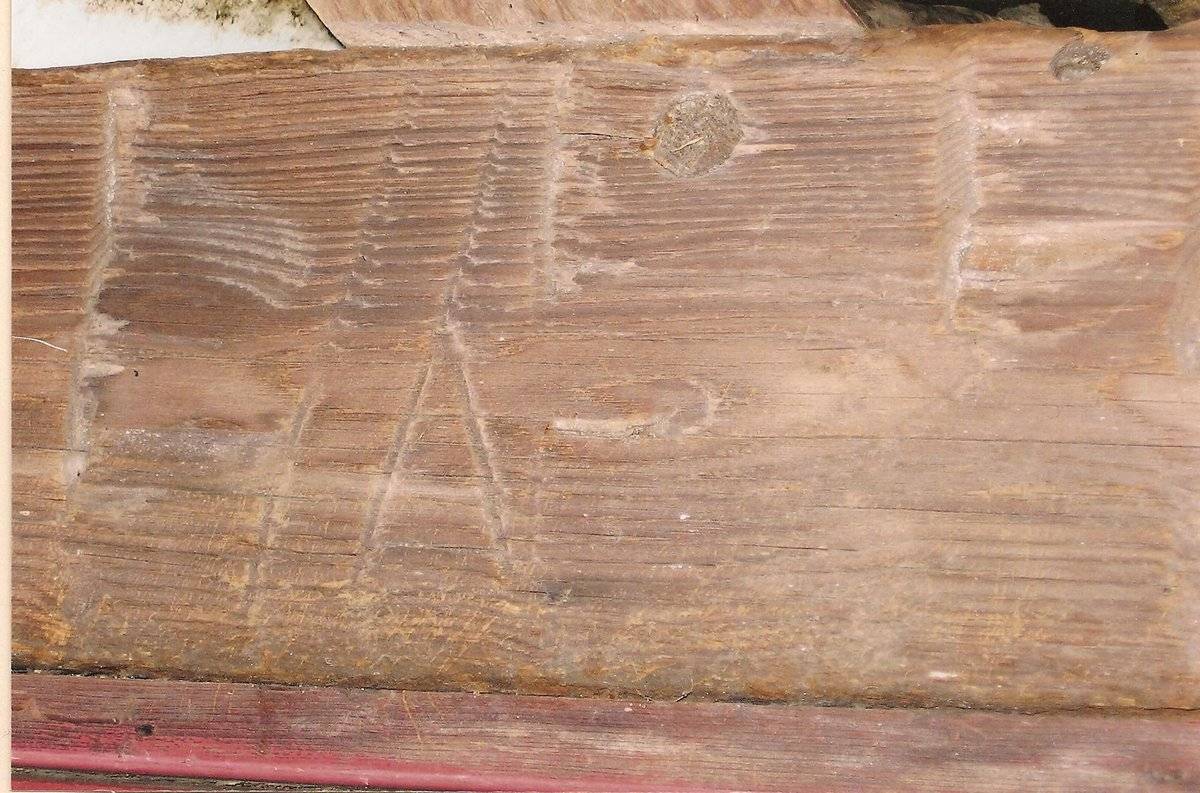
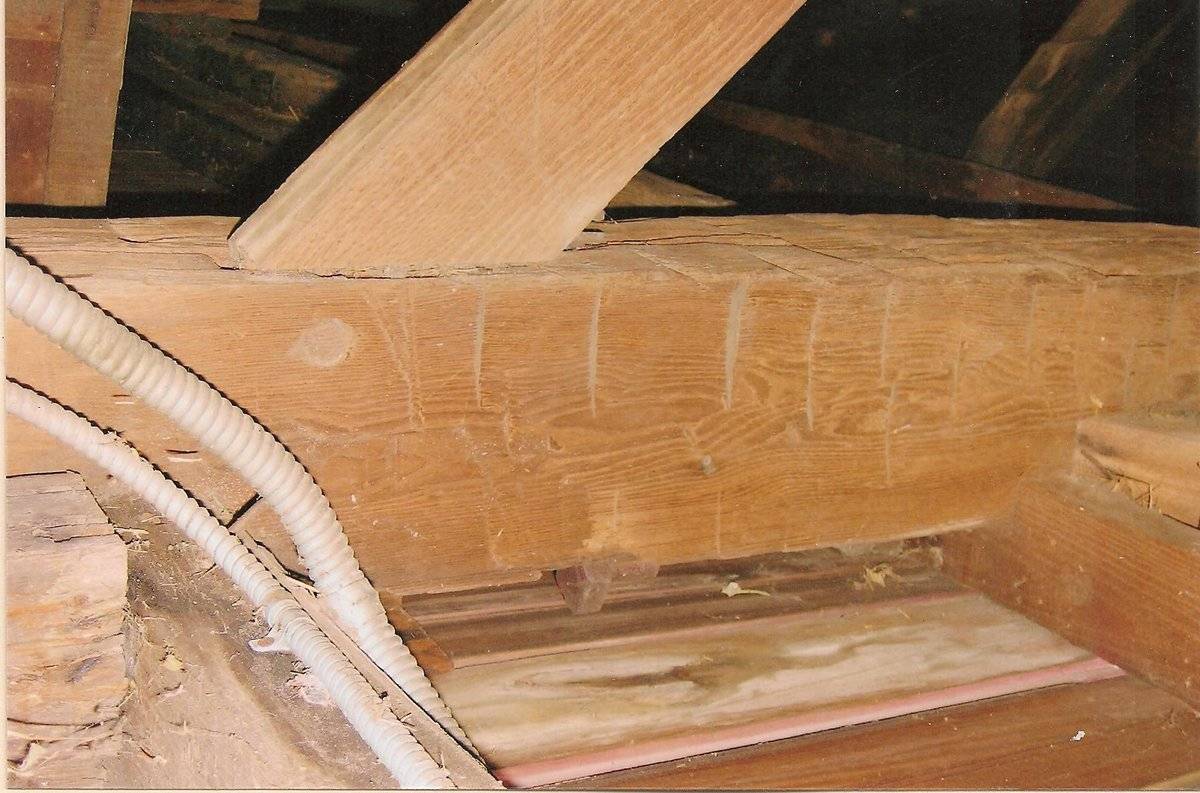
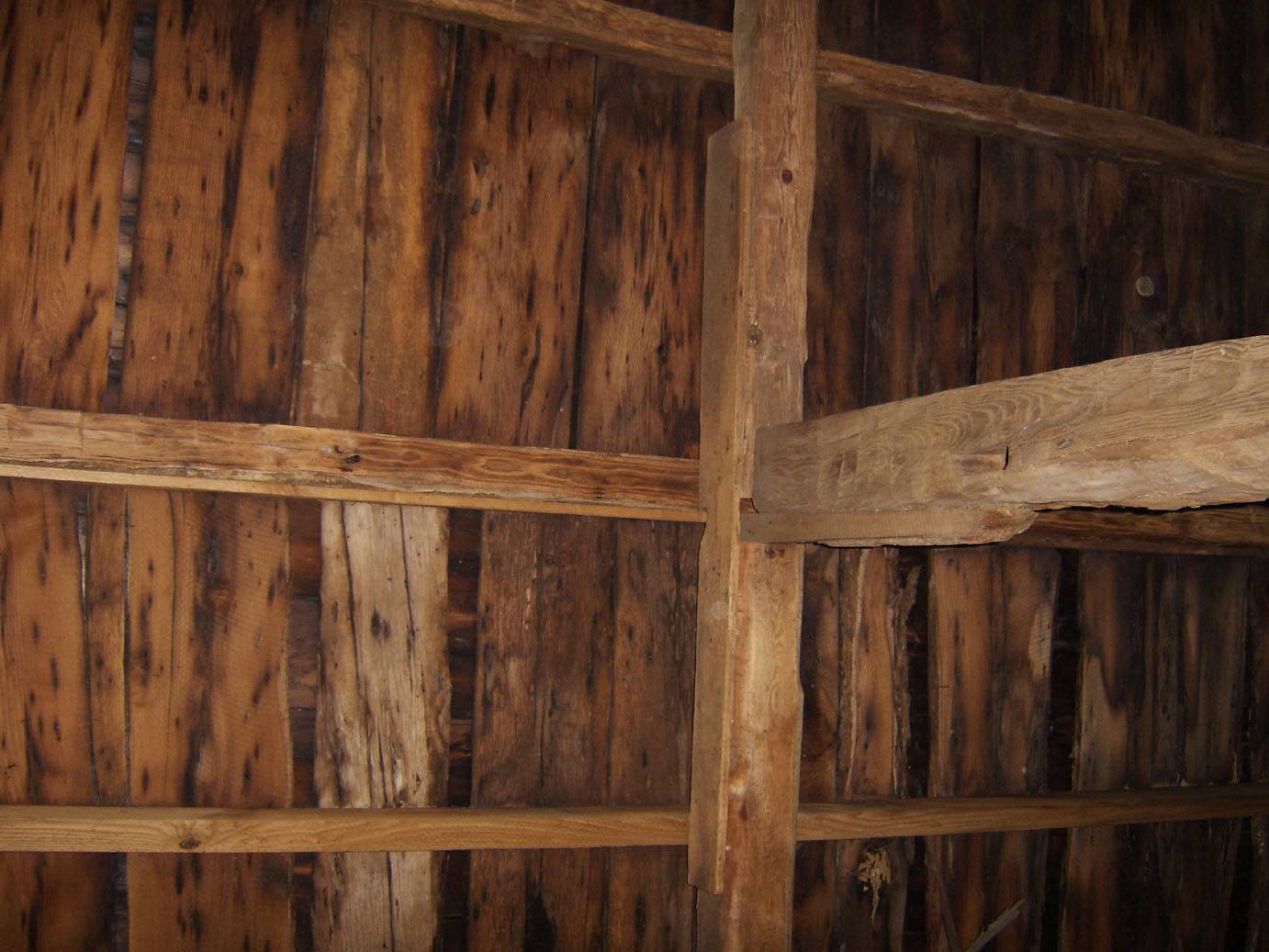
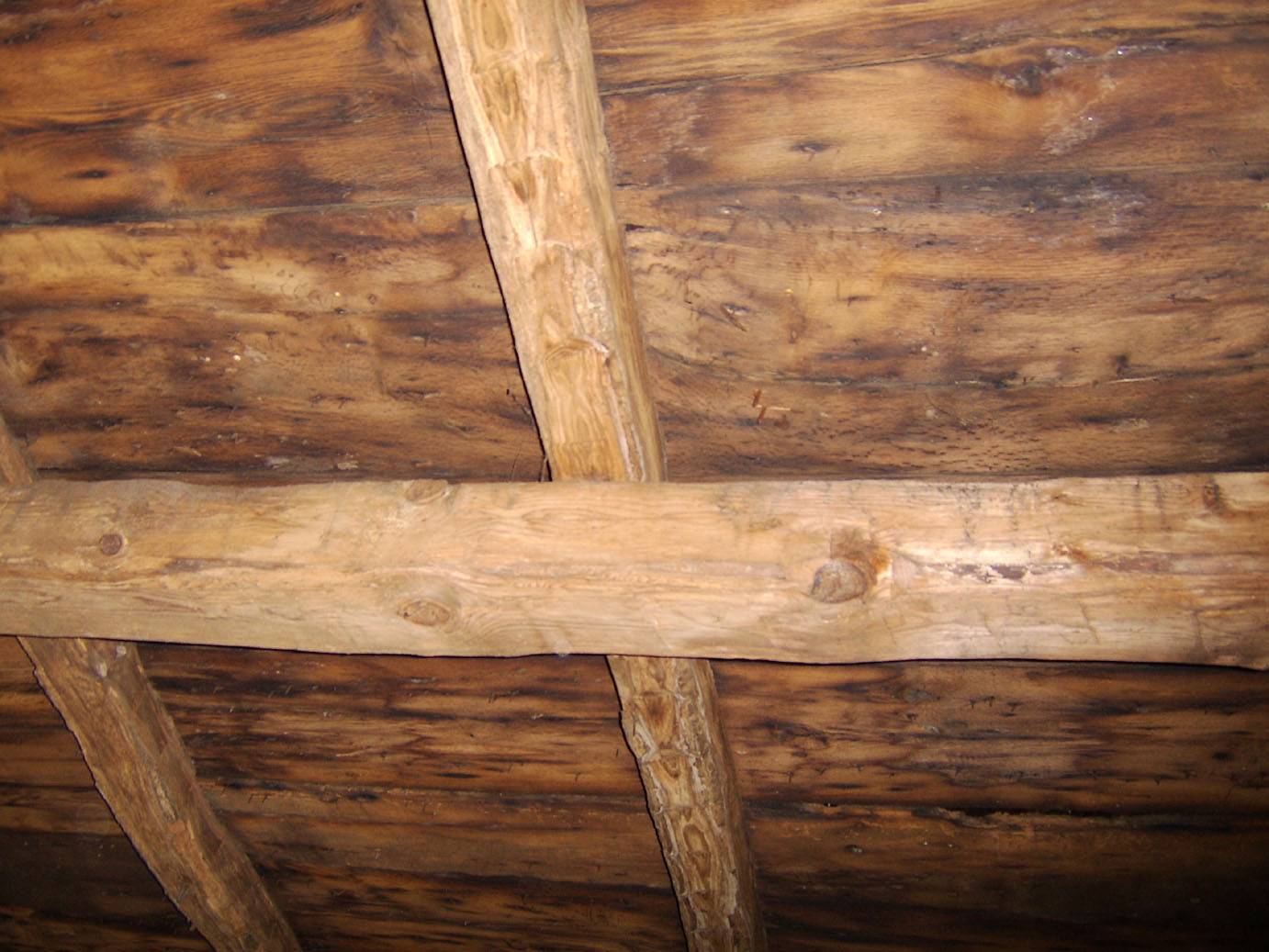
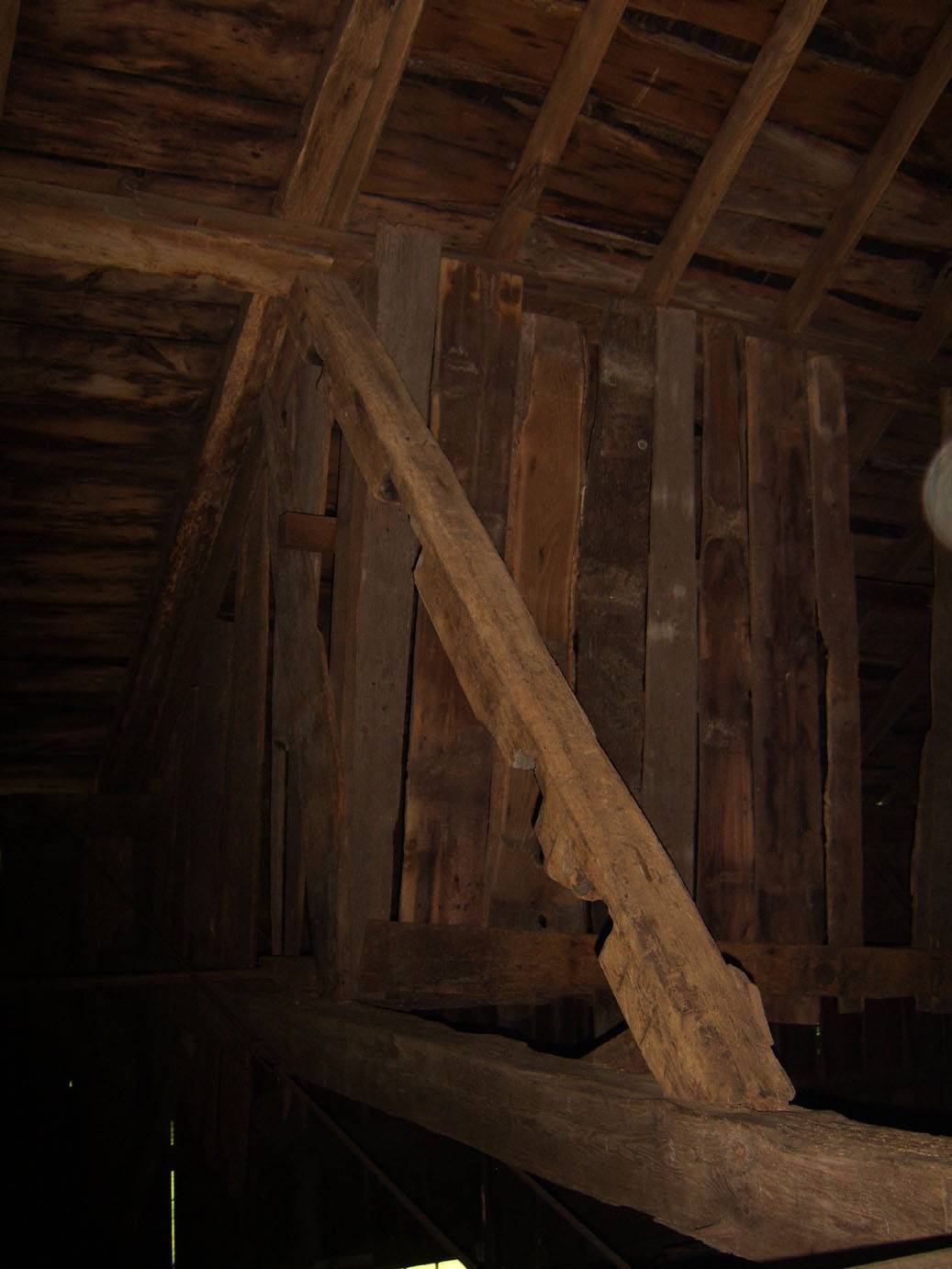
The post and beam frame of the barn has Scribe Rule system of layout with asphalt roofing and red-painted vertical siding with white trim.
Barn II:
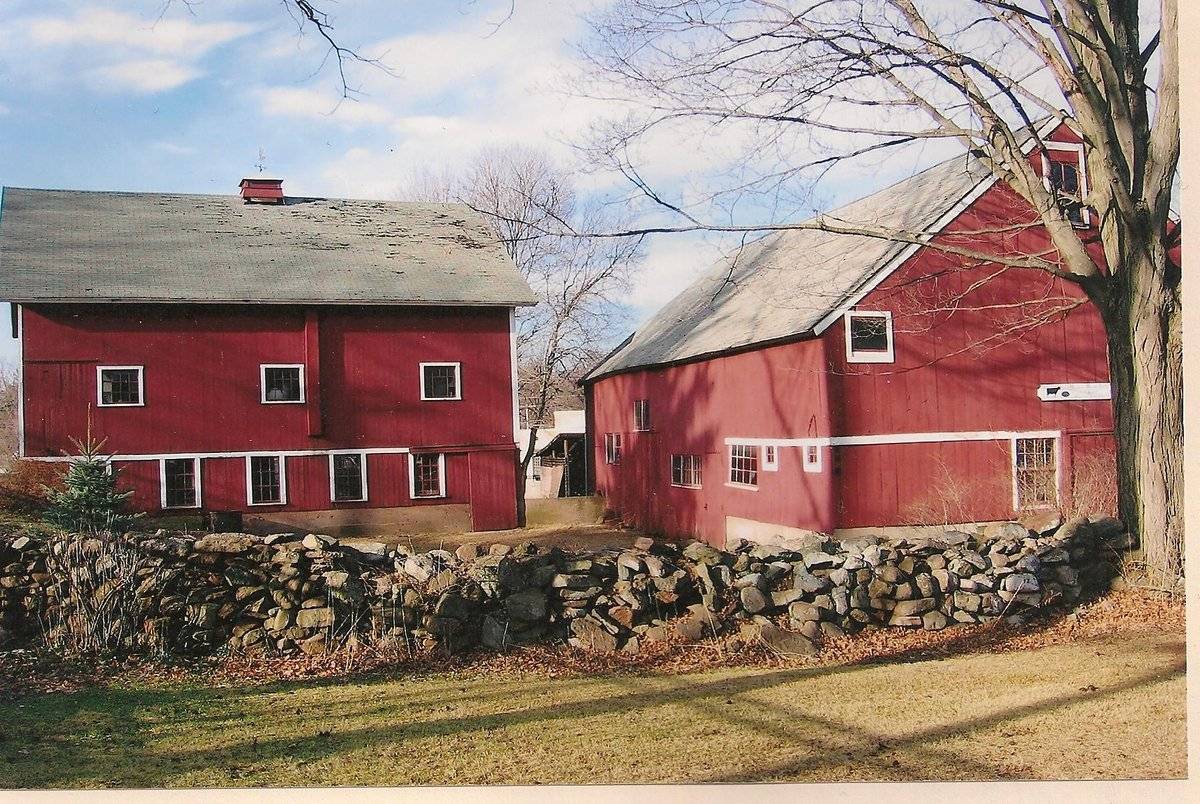
This is a 2 1/2 gable-entry barn situated near the northwest corner of Barn I. The main facade faces west and the ridge-line is perpendicular to the street which at this point runs approximately north to south.
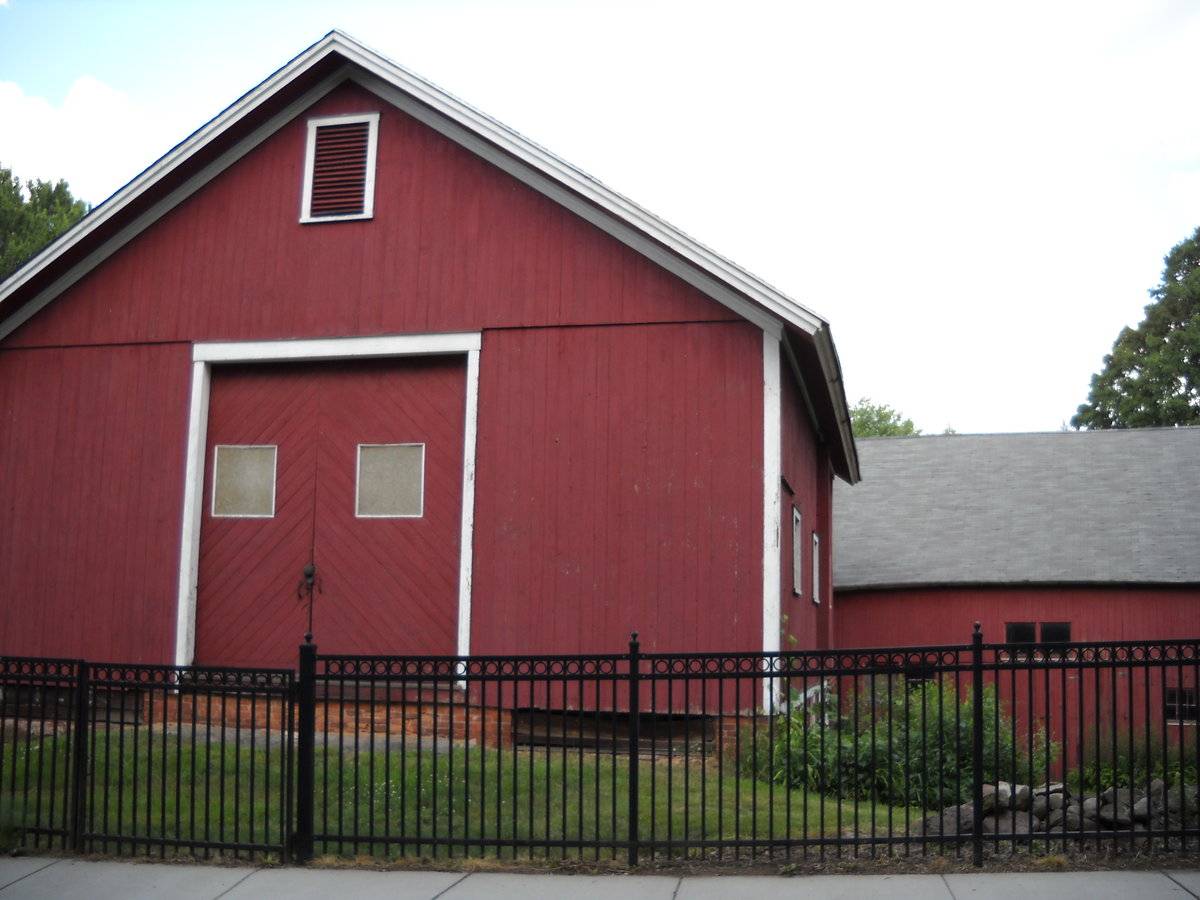
The main entry is centered on the west gable-facade of the barn and consists of a pair of interior hung sliding doors with trim. Each leaf has a square window opening that appear to be boarded up. Located in the gable attic is a louvered vent. A brick foundation is apparent just below the main entry.
The grade drops slightly towards the north eave-side of Barn II, revealing a concrete foundation. Just above the foundation, extending across this side is a series of five, nine-pane windows with trim. On the east corner of the north eave-side of the barn is an exterior hung pass-through door. Just above the windows, towards the west end of the north eave-side of Barn II are two, six-pane windows.
Centered on the east gable-end of the barn is an exterior hung pass-through door. Just to the south, located on the south corner is another exterior hung pass-through door. Located just above the centered door is a side-hinged pass-through door with trim and what appears to be original iron hinges. Just to the north of this is a six-over-six double-hung window with trim. Directly above the side-hinged door is a square window with trim. On the south corner are metal panels. Found in the gable-attic of the east gable-end of Barn II is what appears to be a hay-door with trim.
Located on the east corner of the south eave-side of Barn II is an exterior hung sliding pass-through door. Extending to the west of this is a series of five, nine-pane windows with trim, found just above the concrete foundation. Spaced evenly across the south eave-side, above the series of windows, are three, twelve-pane windows with trim. A narrow rectangular projection is found centered on this side, extending from the eave to just above the series of five windows. The grade rises towards the west along the south eave-side of Barn II.
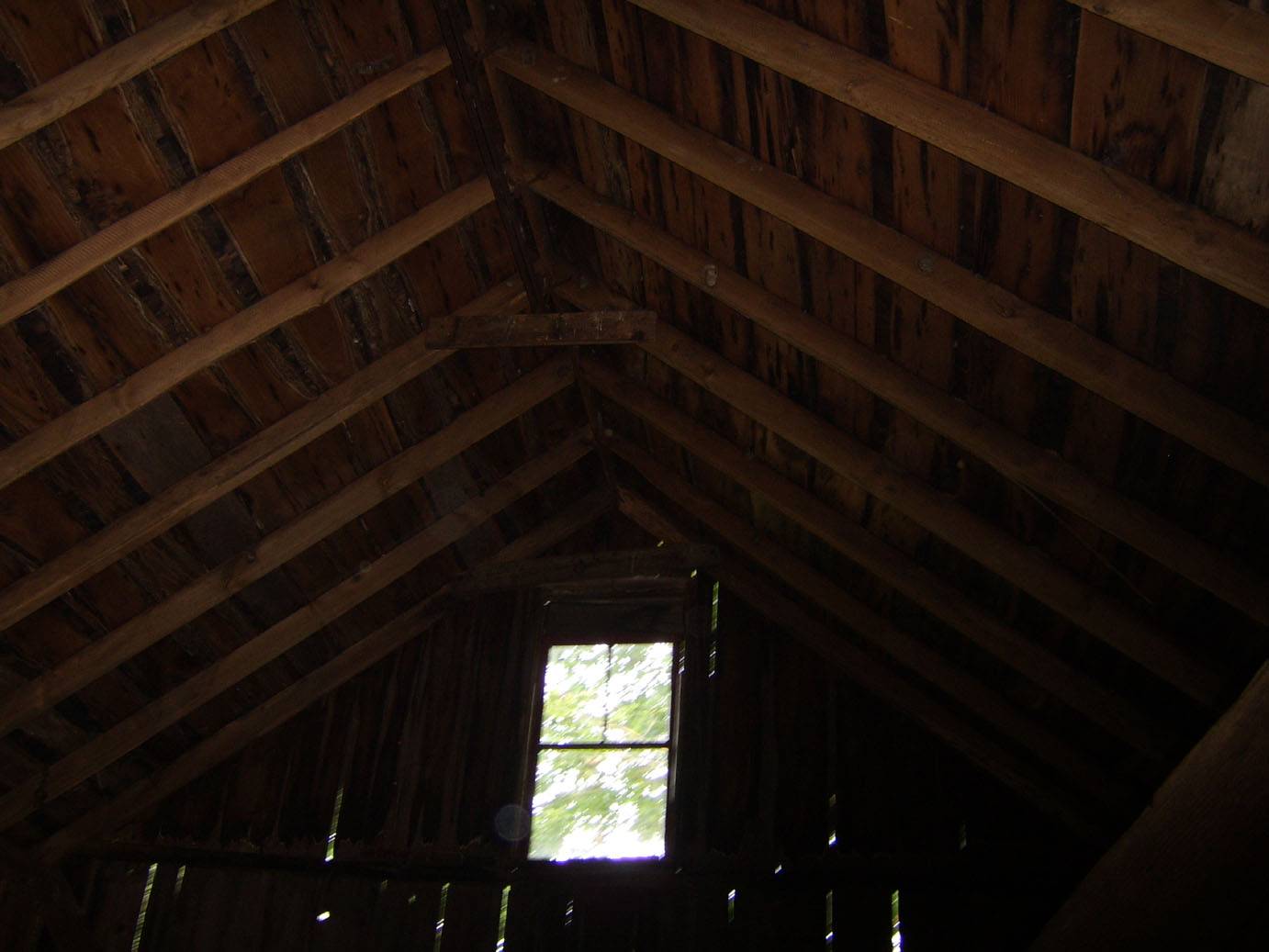
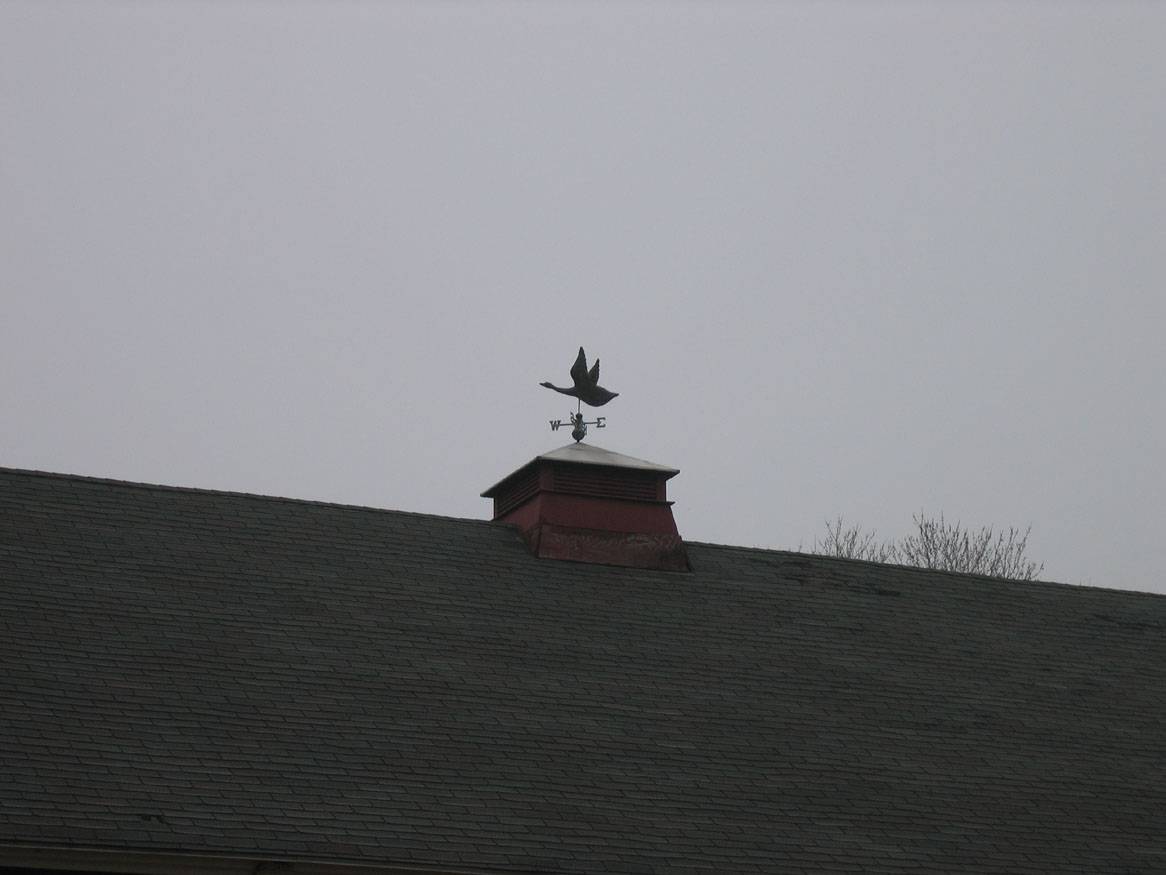
Barn II is clad in vertical flush board siding painted red with white trim. A brick foundation is found on the west gable-facade of the barn, while a concrete foundation is a found on the east, north and south sides. A hip-roof cupola is centered atop the ridge-line of Barn II, with a weather-vane protruding from it. The gable roof has asphalt shingles.
Historical Significance:
The oldest barns still found in the state are called the “English Barn,” “side-entry barn,” “eave entry,” or a 30 x 40. They are simple buildings with rectangular plan, pitched gable roof, and a door or doors located on one or both of the “eave” sides of the building based on the grain warehouses of the English colonists’ homeland. The New England barn or gable front barn was the successor to the English barn and relies on a gable entry rather than an entry under the eaves. The gable front offers many practical advantages. Roofs drain off the side, rather than flooding the dooryard. Although it was seen by many as an improvement over the earlier side entry English Barn, the New England barn did not replace its predecessor but rather coexisted with it. It this case, both an eave entry and a gable entry are used.
Field Notes
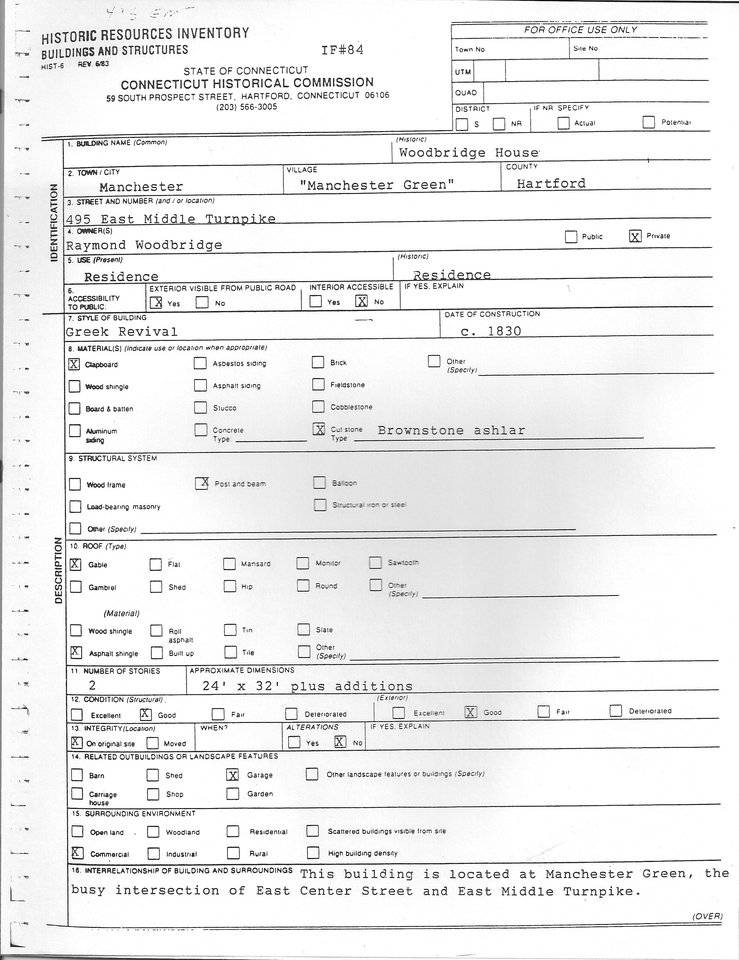
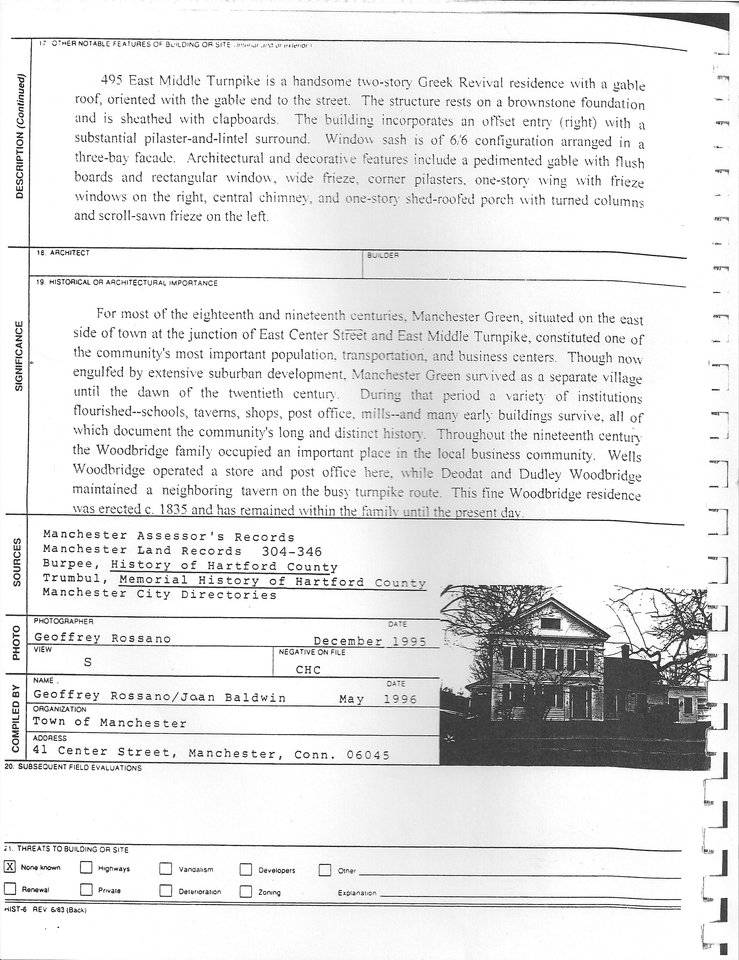
2008 Barn Grant Recipient. See Part 2 for additional photography. The Woodbridge Farmstead, which is the remaining resource of the 149-acre Meadow Brook Farm, is significant architecturally for being a good example of the Greek Revival style and is well-preserved. The accompanying 19th-century barns are integral to the site and have been little altered, accurately portraying 19th century farm construction and use. The farmstead is significant historically because of the unbroken chain of Woodbridge family ownership and the role played by the Woodbridge family in the Manchester Green neighborhood from early in the 19th century to the present time. The resource is of Statewide significance because of the excellence of the house as a country example of the Greek Revival style and because of the completeness and historic authenticity of the farm buildings and their contents and the consistency of the 19th-century farmstead as a whole. Several members of the Woodbridge family lived on the Manchester Green in the early 19th century. The patriarch, Deodat Woodbridge (1757-1836), operated the Woodbridge Tavern at the west end of the Green, across the street from the nominated resource. By his will of 1820 he apportioned his property among his sons. The youngest, Deodatus (1800-1857), inherited Deodat's residence and 130 acres located northward across the street from the tavern, the property that became Meadow Brook Farm. Deodatus is credited by tradition with building the house at an unspecified date. The construction year of c. 1835 is determined by stylistic analysis of the building. It seems likely that Deodatus first lived in what is referred to in family tradition as ''The Old House," a small frame structure that is seen at far right in Figure 6, which stood well into the 20th century, used as a shop. Several members of the Woodbridge family who were relatives of the owners of the nominated property lived in the immediate neighborhood and were influential in the developing history of the Green. In the building still standing next door to the west, Wells Woodbridge conducted a store where he also served as first postmaster of Manchester Green, while he and Joseph Woodbridge were stockholders in the textile company which in 1850 built the brick mill buildings to the east on the site of an earlier mill. Meadow Brook Farm, for which the Woodbridge Farmstead was the visual centerpiece, was an active dairy farm for most of two centuries. The 149 acres and dozen structures constituted a significant agricultural enterprise. The sign for Meadow Brook Farm still is in place over the door of the old cow barn. Most of the acreage was sold in 1951 in two parcels and has been developed for residential use. Labeled as 623 Woodbridge - actually 495 Middle Turnpike East. Also labeled as 95 Middle Turnpike East.
- Use & Accessibility
- Environment
Related features
Environment features
Relationship to surroundings
The barn is on the Woodbridge property which includes the farmhouse, another barn and foundations of several other farm buildings and Bigelow Brooke that runs through the property. The barn is probably the oldest existing barn in Manchester and is located at what was the first center of town, Manchester Green. It is on Middle Turnpike- the main route between Hartford and Providence. The Woodbridge Tavern was across the street and owned by Deodatus Woodbridge. The first Manchester Post Office was in the Woodbridge Tavern and then in the store to the west of the Woodbridge farmhouse. Pacific Knitting Mill, later known as the Glastonbury Knitting Mill, is to the east of the farmhouse and the barn. The barn also includes the milk preparation room from the period when the Woodbridge family operated ‘Meadowbrook Dairy’.
- Typology & Materials
-
Building Typology
Materials
Structural System
Roof materials
Roof type
Approximate Dimensions
32 ft x 56 ft & 22 x 10 milk room ell Barn 1: 1824 SqFt, Barn 2: 1386 SqFt, House: 2325 SqFt, Shed: 176 SqFt, Lean To: 176 SqFt, Shed: 396 SqFt (accessor records)
- Source
-
Date Compiled
06/16/2010
Compiled By
T. Levine and M. Patnaik, reviewed by CT Trust
Sources
Photographs and information provided by - Manchester Historical Society, 106 Hartford Road, Manchester, CT- 06040 - 2008 Barns Grant application
Additional photographs by Todd Levine and Jim Snyder - 9/21/2006, also by Ted Ells and LV - 9/18/2006.
Ransom David, Woodbridge Farmstead, National Register Nomination Number- 99000925 NRIS, National Park Service, 1999.
Sexton, James, PhD; Survey Narrative of the Connecticut Barn, Connecticut Trust for Historic Preservation, Hamden, CT, 2005, http://www.connecticutbarns.org/history.
Visser, Thomas D.,Field Guide to New England Barns and Farm Buildings, University Press of New England, 1997.
- PhotosClick on image to view full file
-