Barn Record East Windsor
RETURN TO ‘FIND BARNS’- Building Name (Common)
- n/a
- Building Name (Historic)
- n/a
- Address
- 0 Windsorville Road and Chamberlain Road, East Windsor
- Typology

- Overview
-
Designations
n/a
Historic Significance
n/a
Field Notes
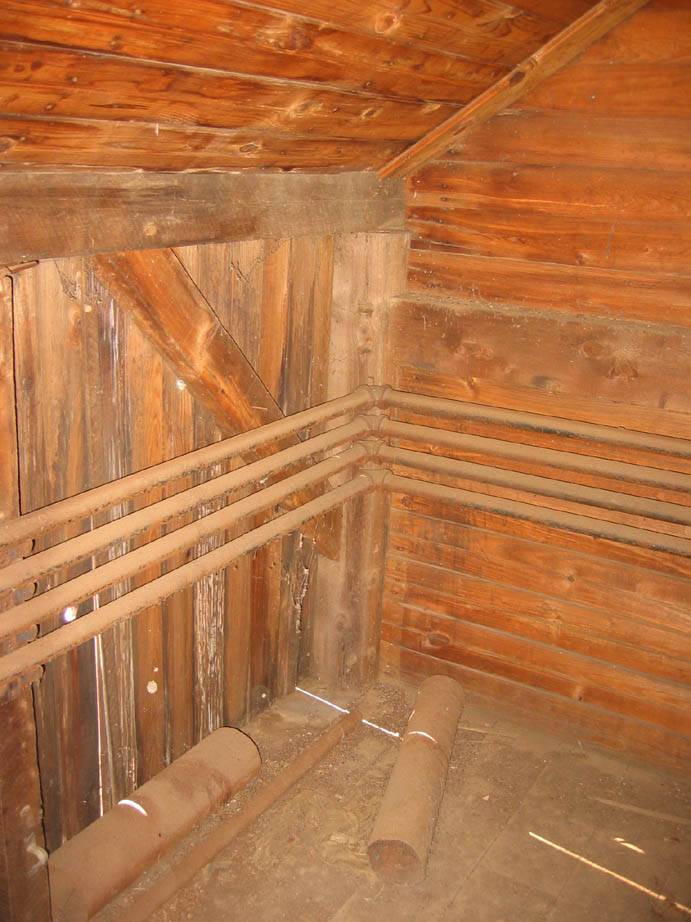
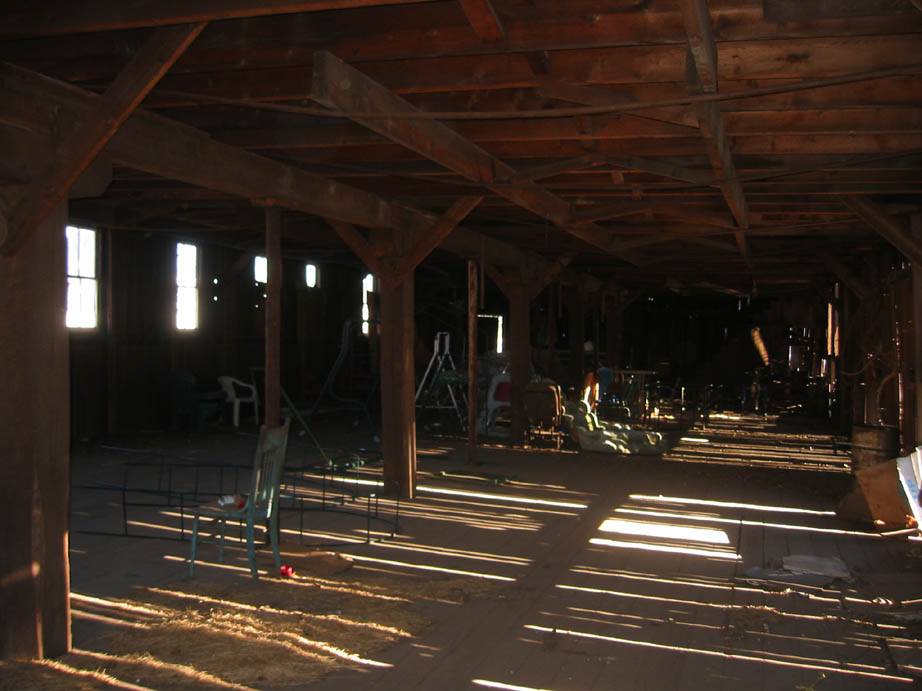
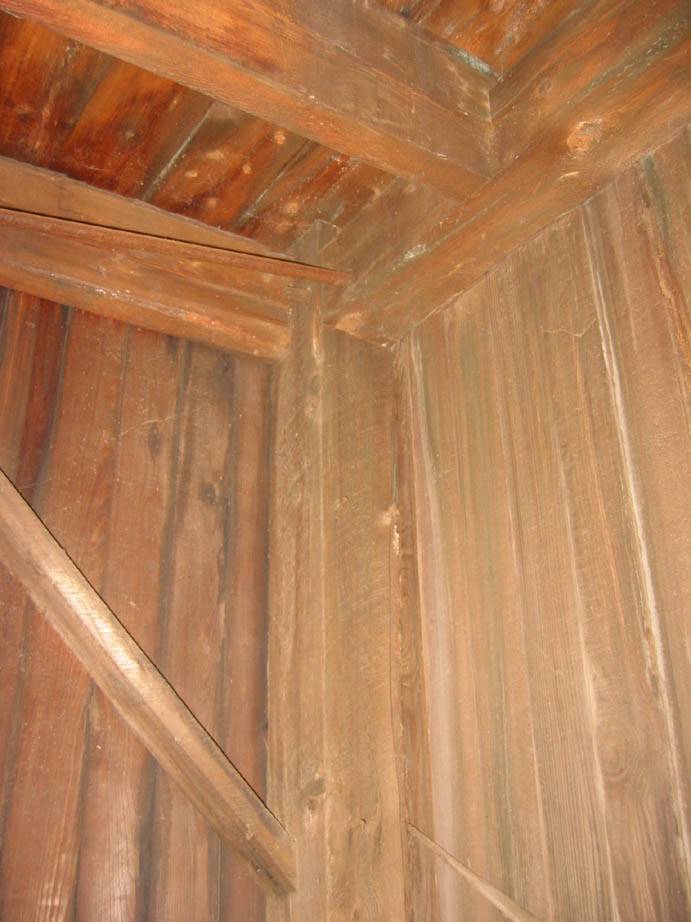
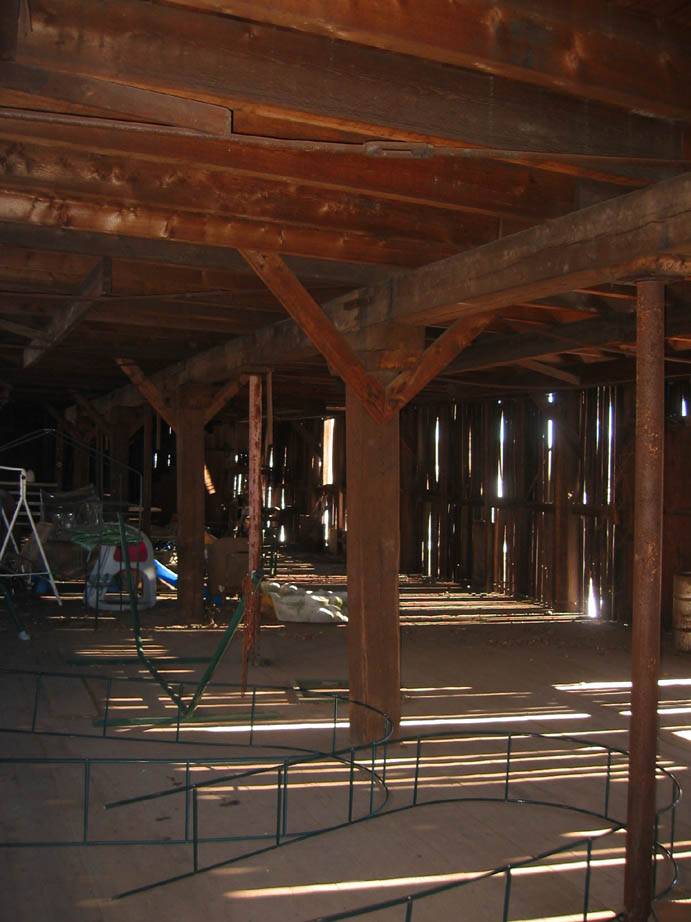
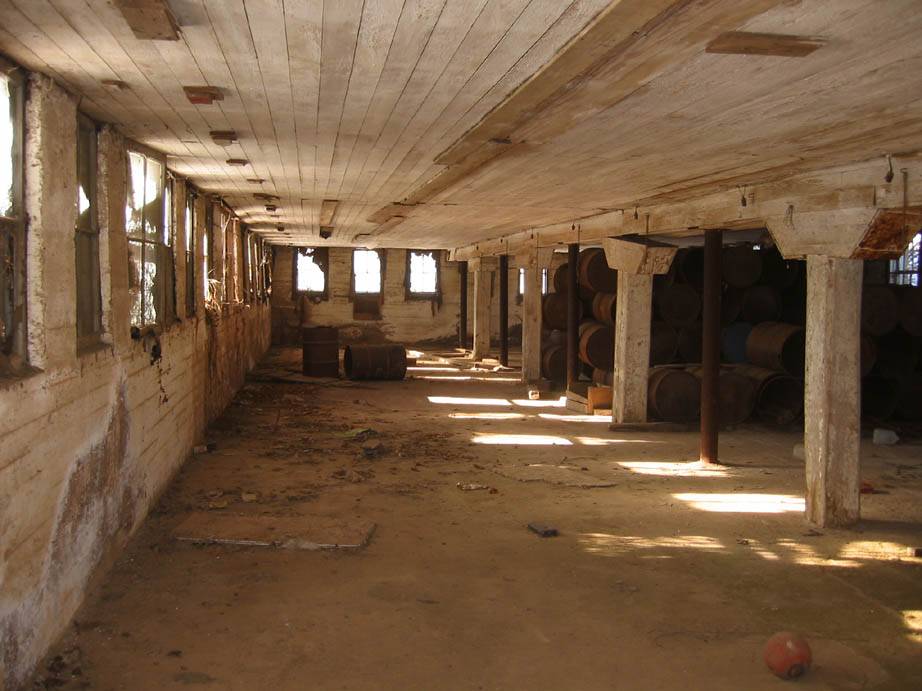
Insufficient data for inclusion in State Historic Resource Inventory. (SL) This is an example of a building where cases of tobacco would be stored on the lower levels and raised by elevator to the heated second floor where they would be sorted and stripped in the heated and finished space. Visser suggests that the semi-subterranean basement with a large number of windows (which he calls a tobacco cellar) relied on a damp atmosphere to keep the leaves pliable for stripping; he does not explain why they have so many windows (since the stripping appears to have taken place in another part of the building).
- Use & Accessibility
- Environment
Related features
Environment features
Relationship to surroundings
The building sits on a corner lot behind the house with which it is associated.
- Typology & Materials
-
Building Typology
Materials
Structural System
Roof materials
Roof type
Approximate Dimensions
30x105
- Source
-
Date Compiled
05/03/2010
Compiled By
S. Lessard
Sources
Photographs and field notes by James Sexton, PhD. -9/18/2006
- PhotosClick on image to view full file
-