Barn Record Coventry
RETURN TO ‘FIND BARNS’- Building Name (Common)
- n/a
- Building Name (Historic)
- n/a
- Address
- 375 Flanders Road, Coventry
- Typology

- Overview
-
Designations
n/a
Historic Significance
Architectural description:
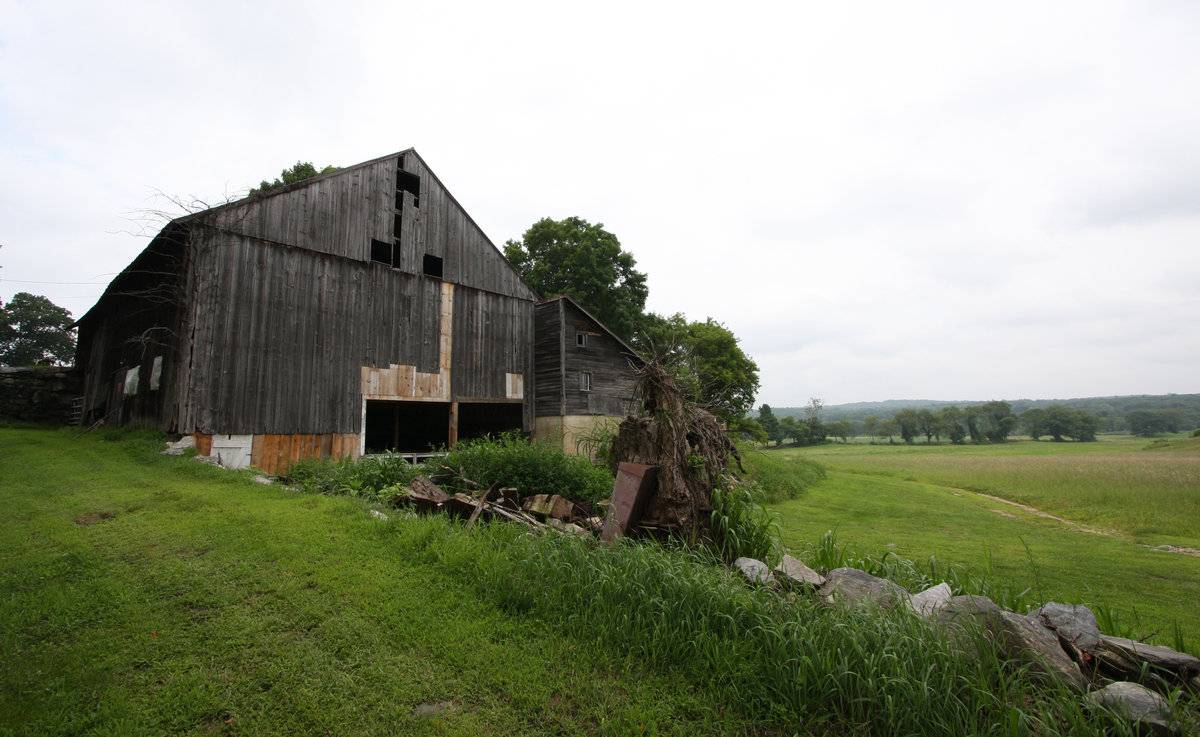
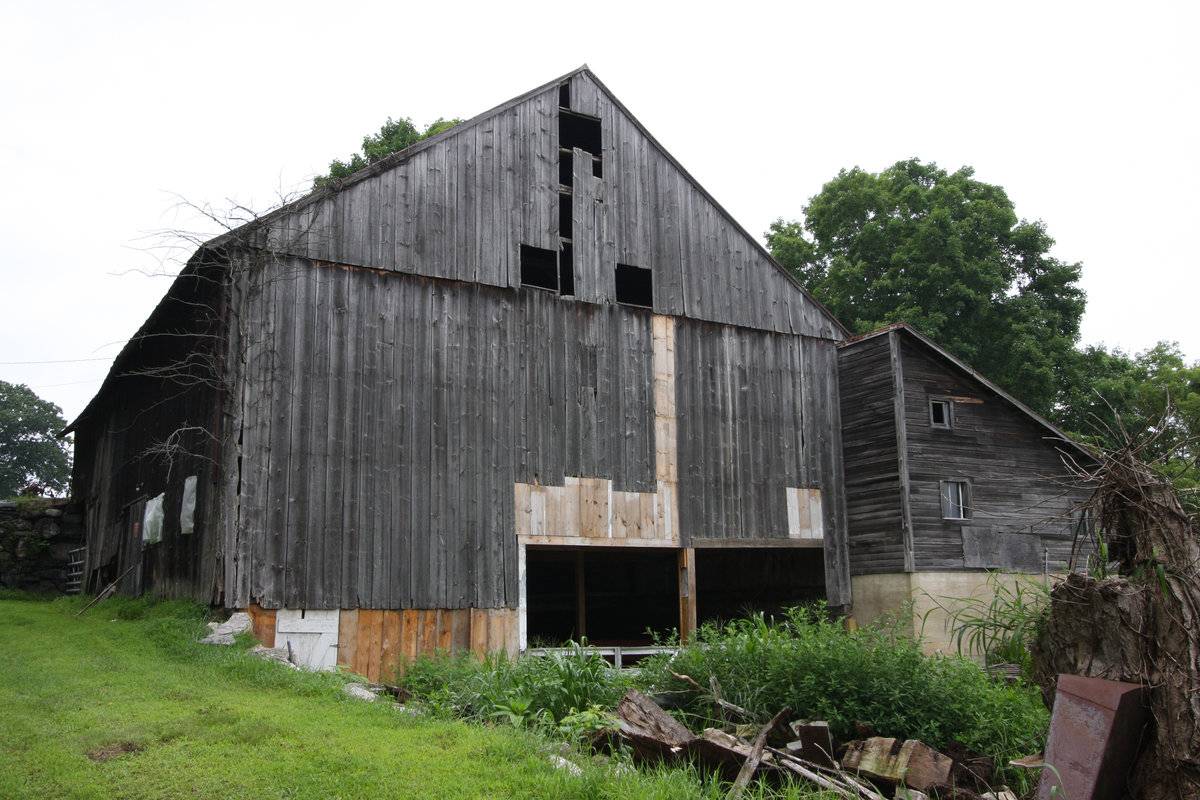
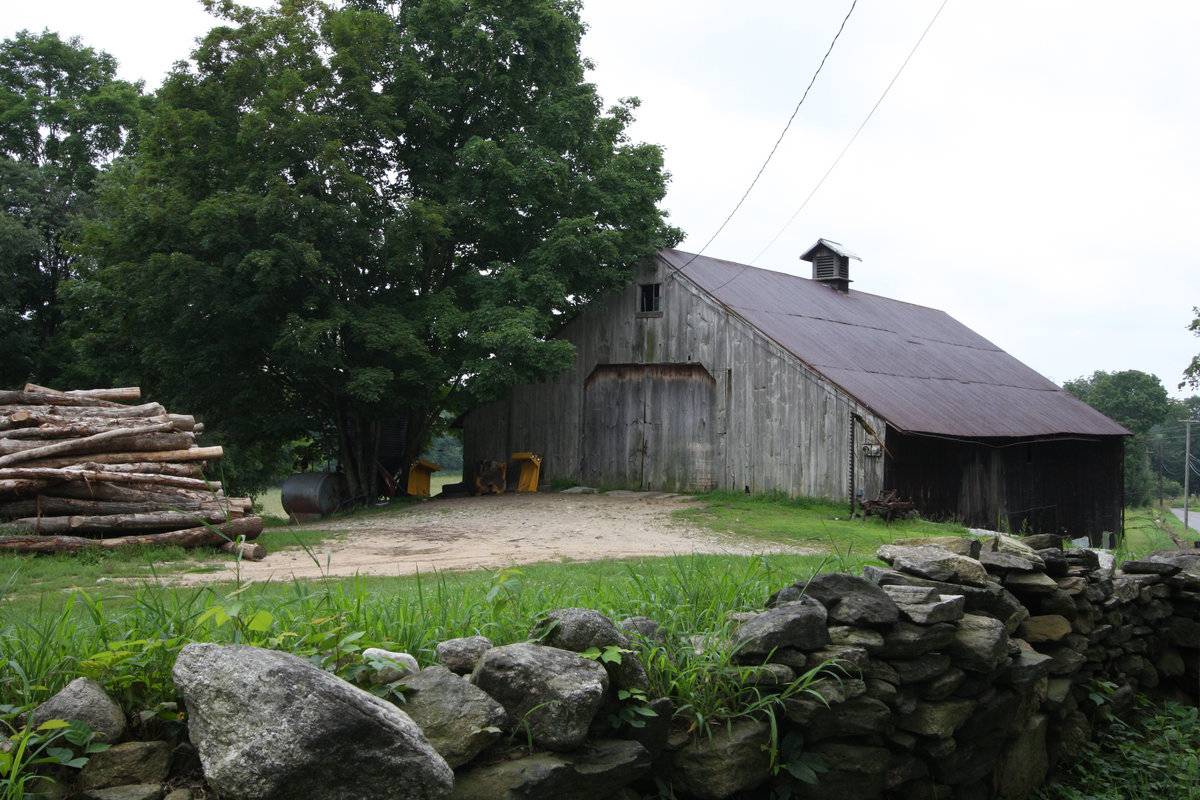
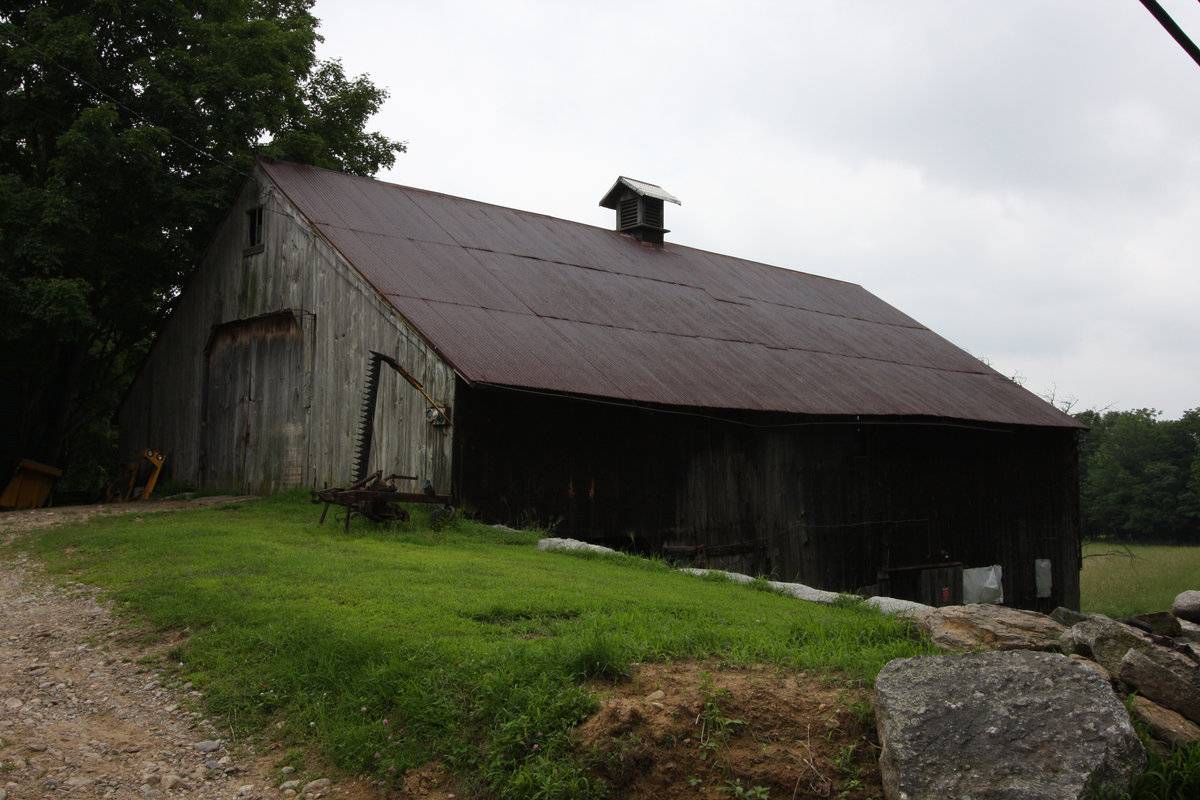
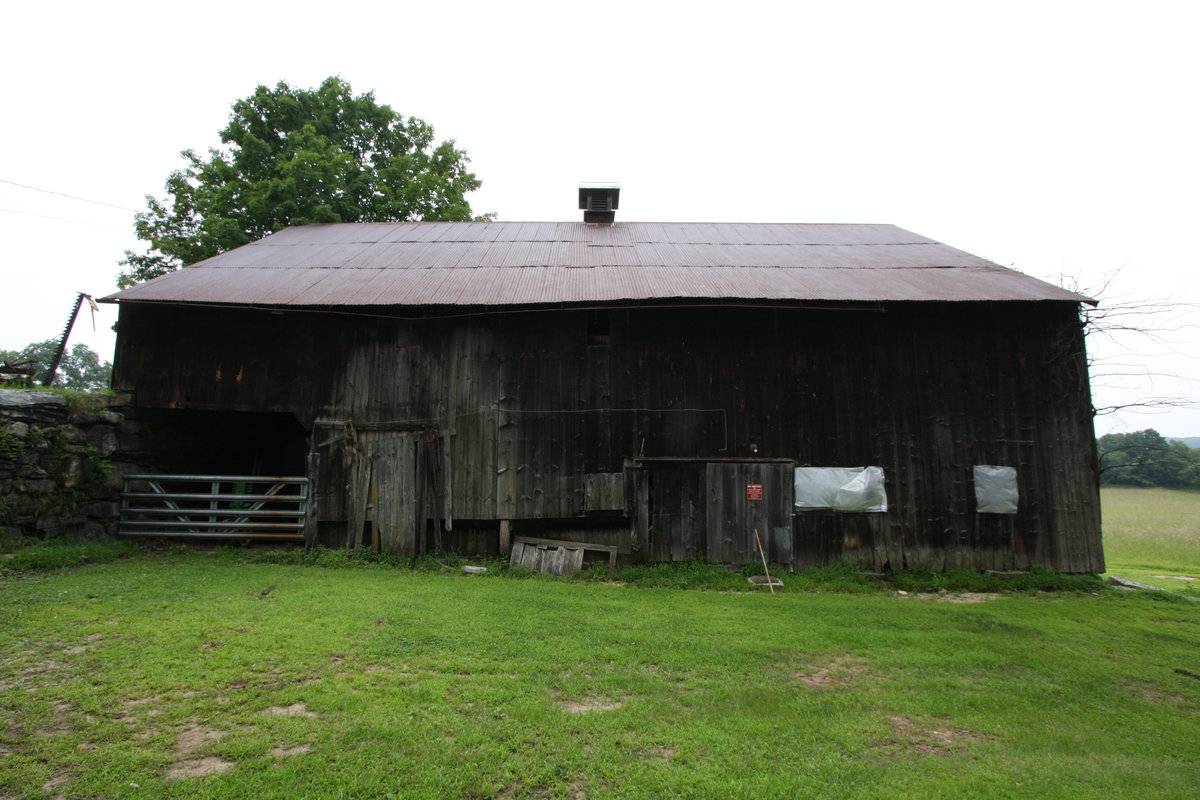
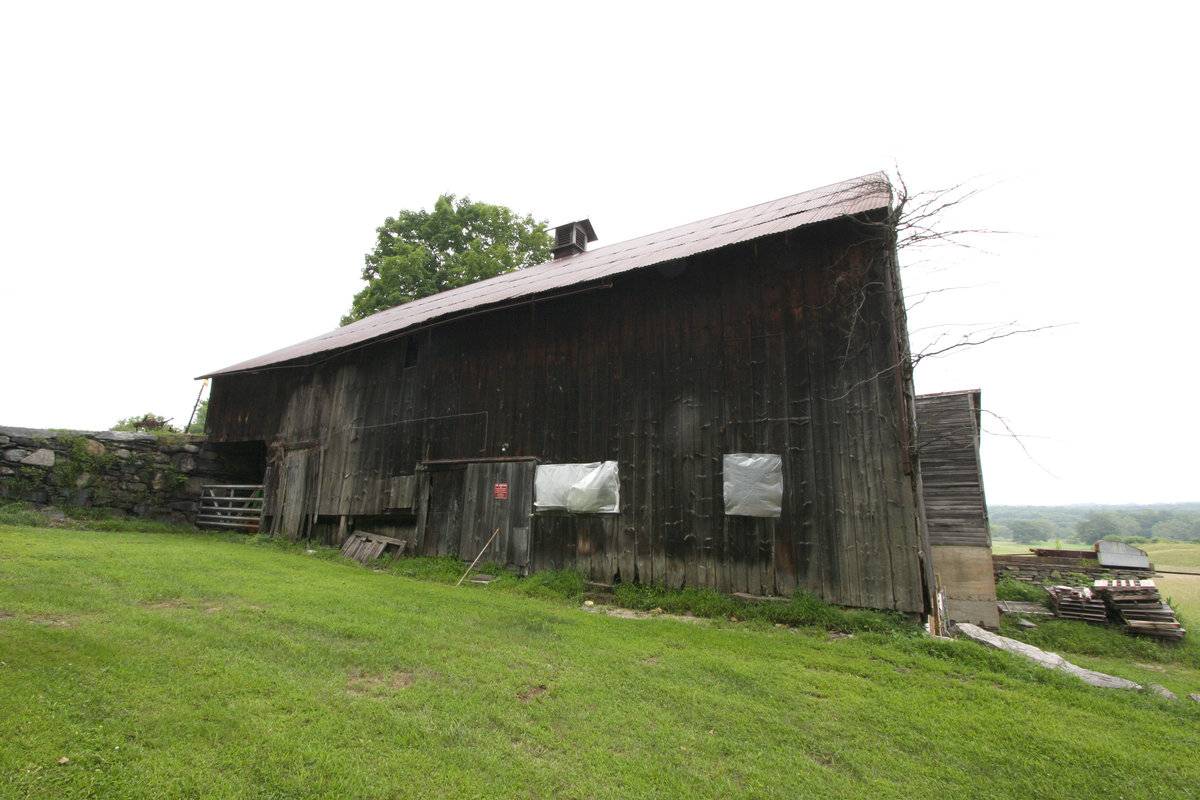
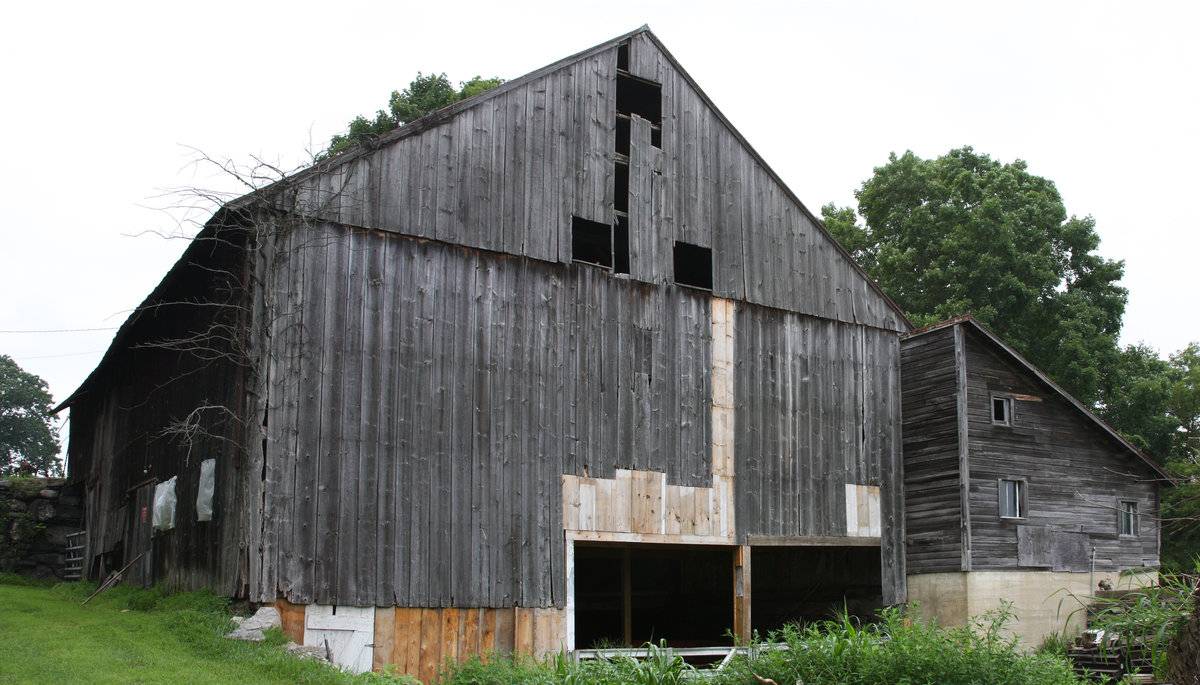
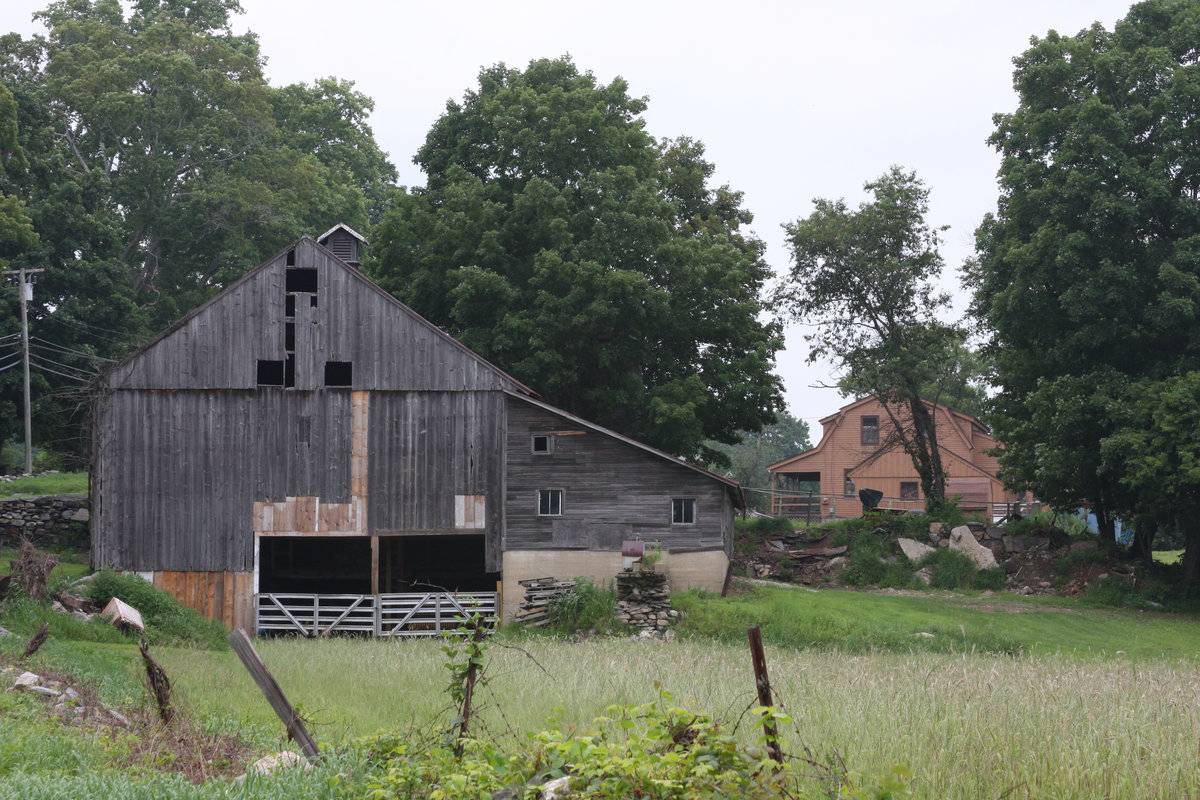
This barn is a three-tiered gable-entry, high-drive bank barn with a second entrance at the basement level on the west eave side of the barn. The ridge line is oriented roughly north-south, with the main entry in the north gable-end facade. The barn is sheathed in vertical wood siding and is has a corrugated metal roof and a small cupola with a metal gable roof and louvered panels on all sides. The east side of the structure has a shed-roofed addition that extends south of the barn approximately 8 feet. The addition has horizontal sheathing and a poured concrete foundation. The south side, which may or may not have always been open, is open now and shows signs of recent repair. The north side gable doors are in-swinging hinged with beveled corners. A single two-over-two window is under the apex. The south gable has a similar opening under the apex for a matching window, now gone. There are two similar openings along the girt line which may or may not have had original windows. The west side of the structure has a beveled opening with a sliding door similar to the gable side, except that this opening is on the north-west corner of the structure and uses the field-stone foundation as one side of the opening. A second opening in the center of the eave at ground level also has a sliding door. There are a total of 4 window openings on this side, none with the original windows remaining.Historical significance:
Three-tiered barns are rare in New England and particularly in Connecticut. The 19th century saw the introduction of a basement under the barn to allow for the easy collection and storage of a winter’s worth of manure from the animals sheltered within the building. The bank barn is characterized by the location of its main floor above grade, either through building on a hillside or by raising the building on a foundation. This innovation, aided by the introduction of windows for light and ventilation, would eventually be joined by the introduction of space to shelter more animals under the main floor of the barn.
The main innovation of the high drive three- or four-story design was to provide access near the top of the haymow so that loads could be dumped from wagons rather than hoisted into a loft above. The top main door on high-drives usually extends above the level of the eaves on the sides and often has ramps.Field Notes
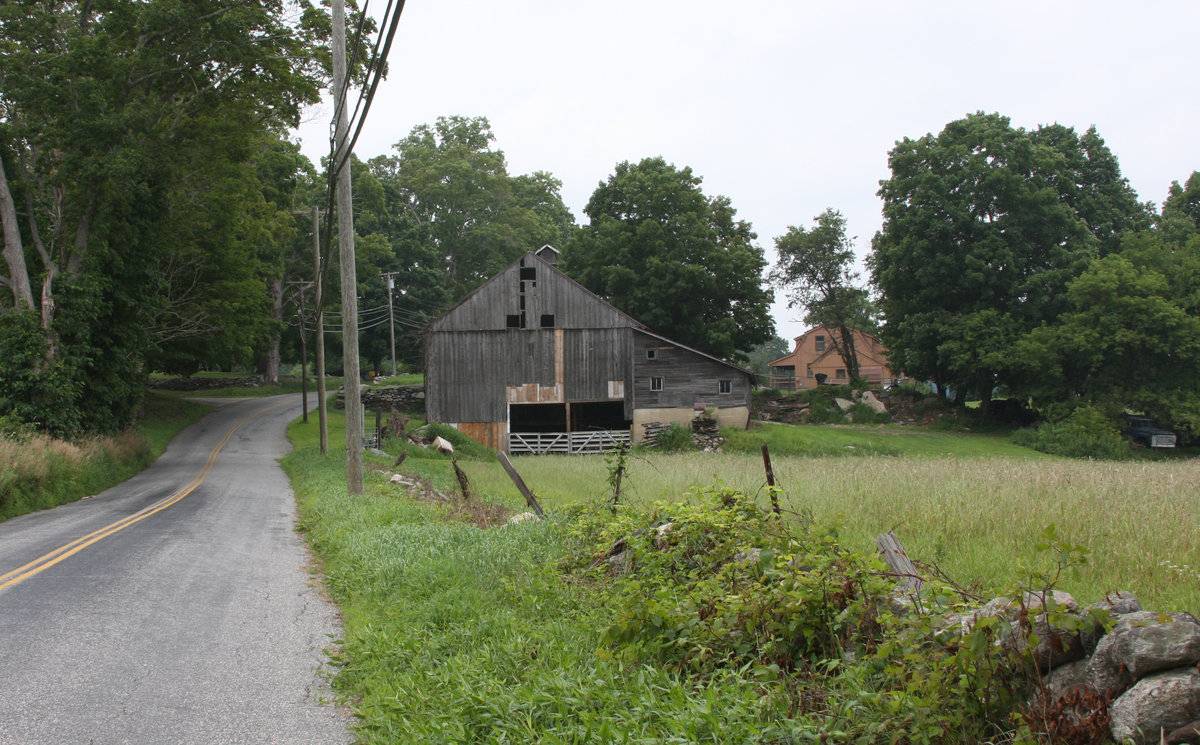
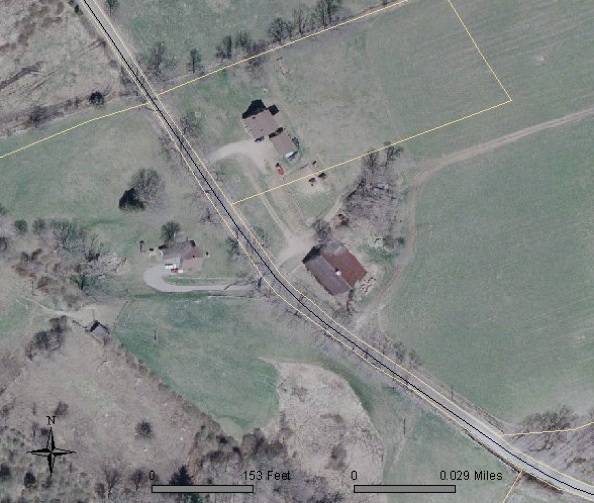
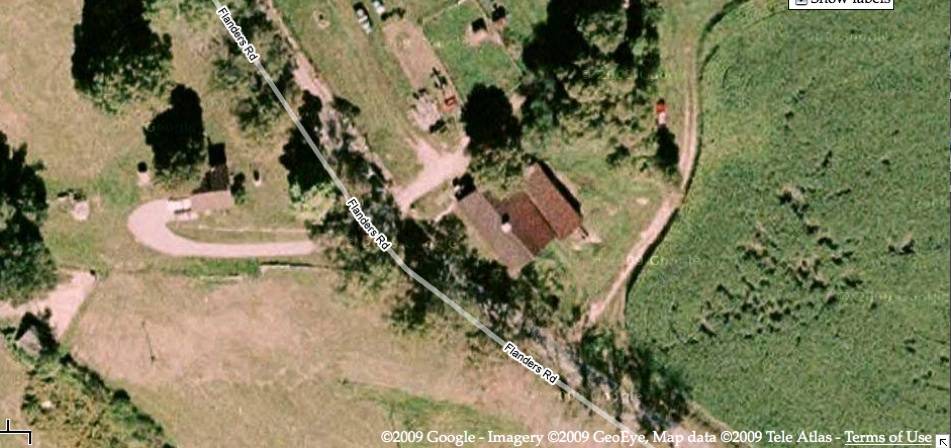
An extensive property with a cluster of attached barn structures near the road, and fields extending east across the river flood plain to the Willimantic River. A 19th century house stands across Flanders Rd. (No. 275) while a new house is adjacent to the north (No. 370). Ownership of the barn not determined.
- Use & Accessibility
Use (Historic)
Use (Present)
Exterior Visible from Public Road?
Yes
Demolished
n/a
Location Integrity
Unknown
- Environment
Related features
Environment features
Relationship to surroundings
Flanders Road parallels the Willimantic River flood plain and remains an area of open fields with expansive views of hay and corn fields and a distant riverine forested strip. Scattered mid- to late- 20th-century homes are interspersed among the older farmsteads.
- Typology & Materials
-
Building Typology
Materials
Structural System
Roof materials
Roof type
Approximate Dimensions
n/a
- Source
-
Date Compiled
08/24/2009
Compiled By
Todd Levine, reviewed by CT Trust
Sources
Photographs by Charlotte Hitchcock & Julie Rosen
Town of Coventry assessors office
Sexton, James, PhD, Survey Narrative of the Connecticut Barn, Connecticut Trust for Historic Preservation, Hamden, CT, 2005, http://www.connecticutbarns.org/history.
Visser, Thomas D.,Field Guide to New England Barns and Farm Buildings, University Press of New England,1997.
- PhotosClick on image to view full file
-