Barn Record Milford
RETURN TO ‘FIND BARNS’- Building Name (Common)
- Academy of Our Lady of Mercy, Lauralton Hall
- Building Name (Historic)
- n/a
- Address
- 200 High Street, Milford
- Typology
- Overview
-
Designations
Historic Significance
Architectural description:
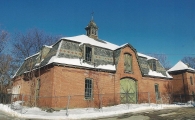
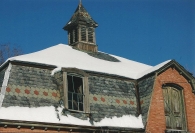
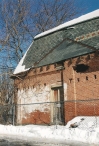
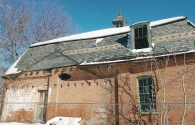
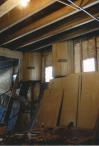
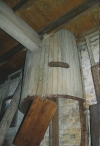
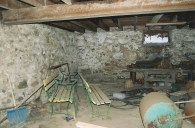
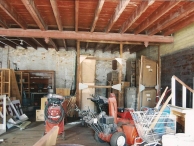
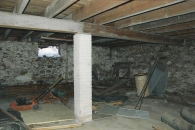
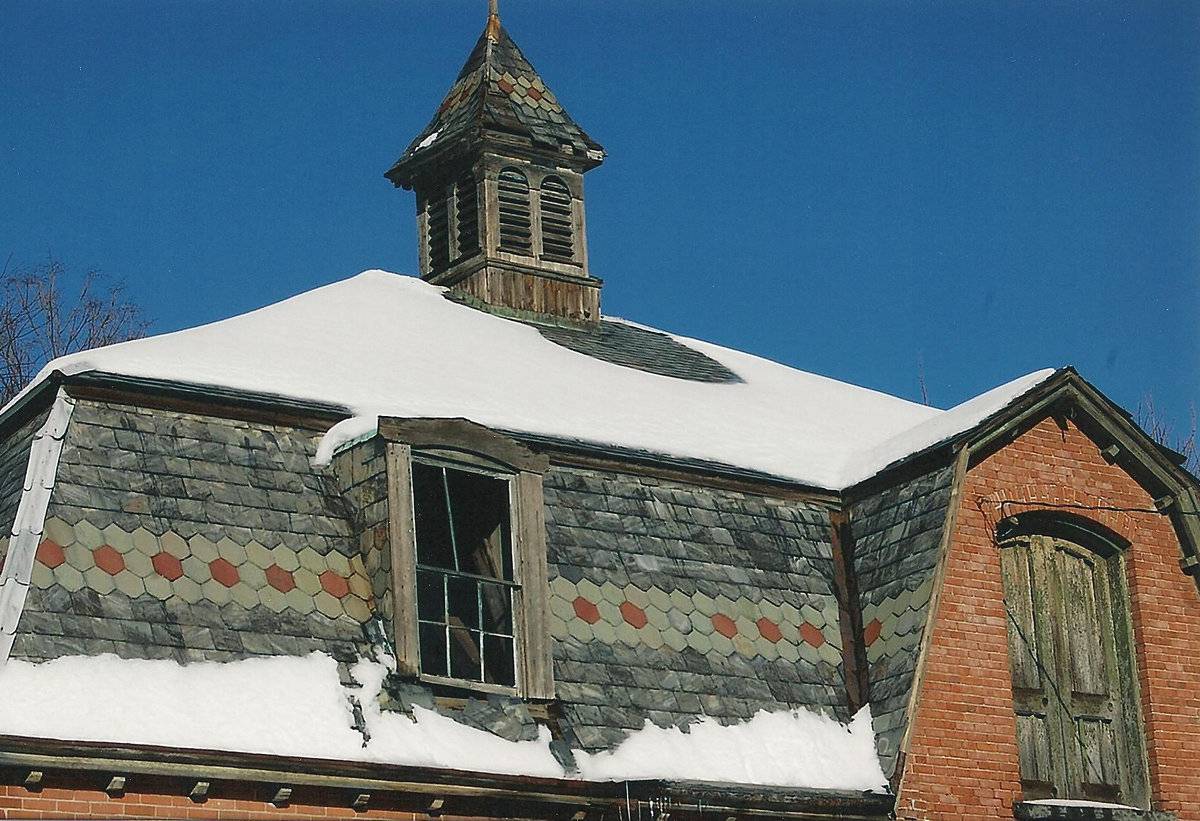
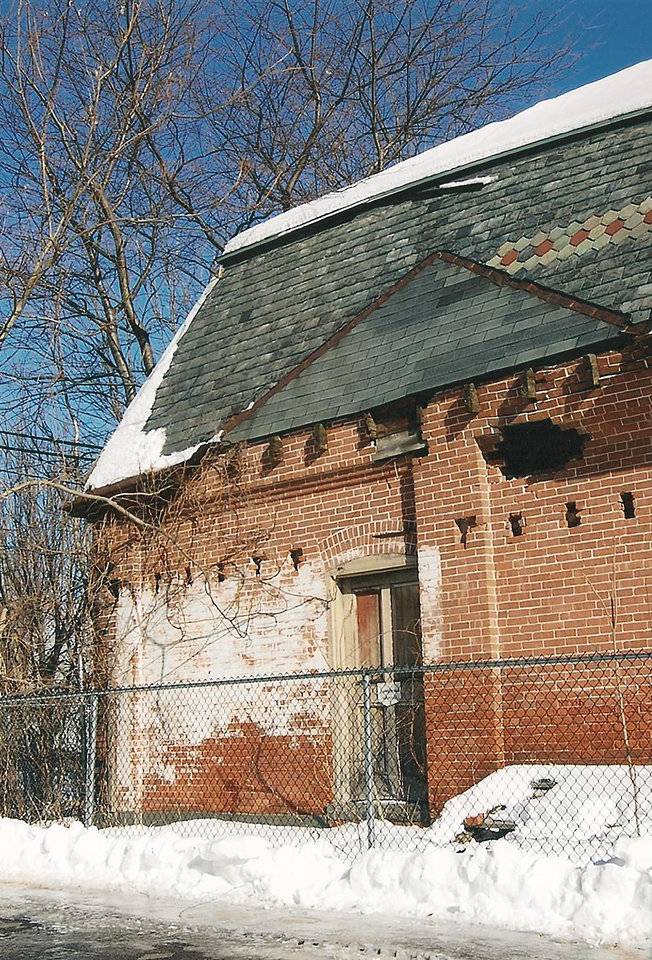
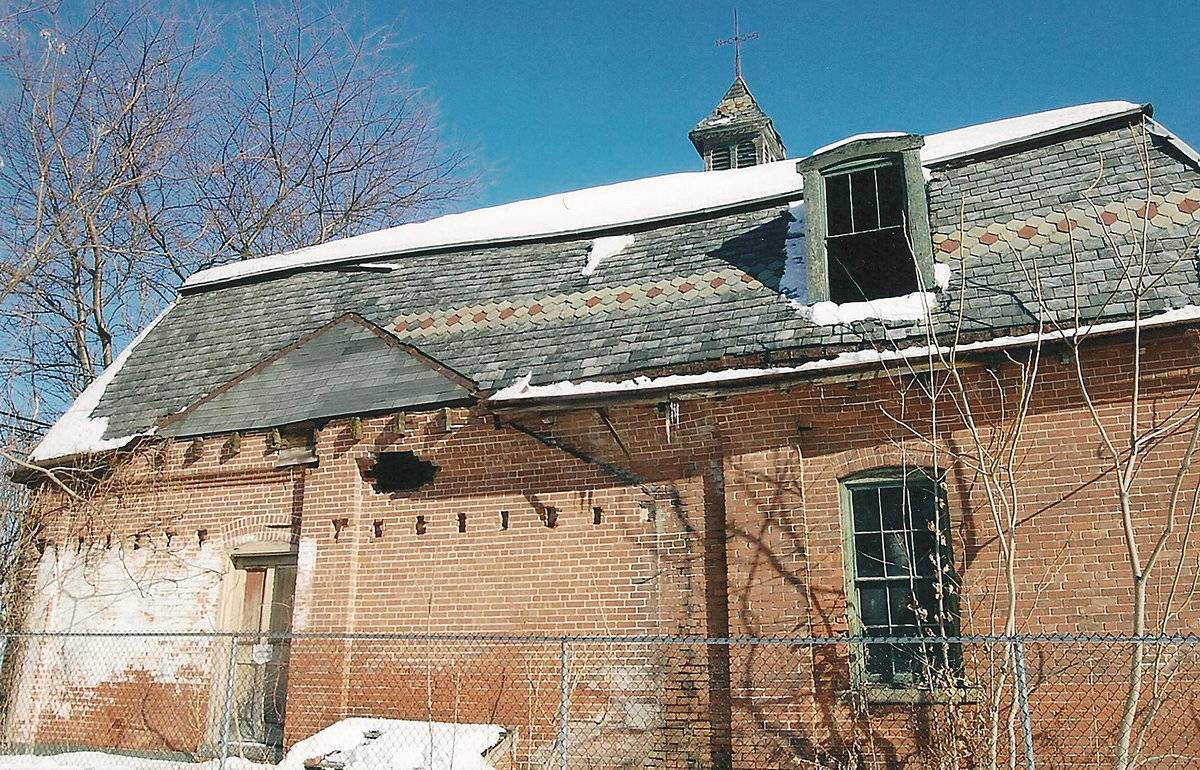
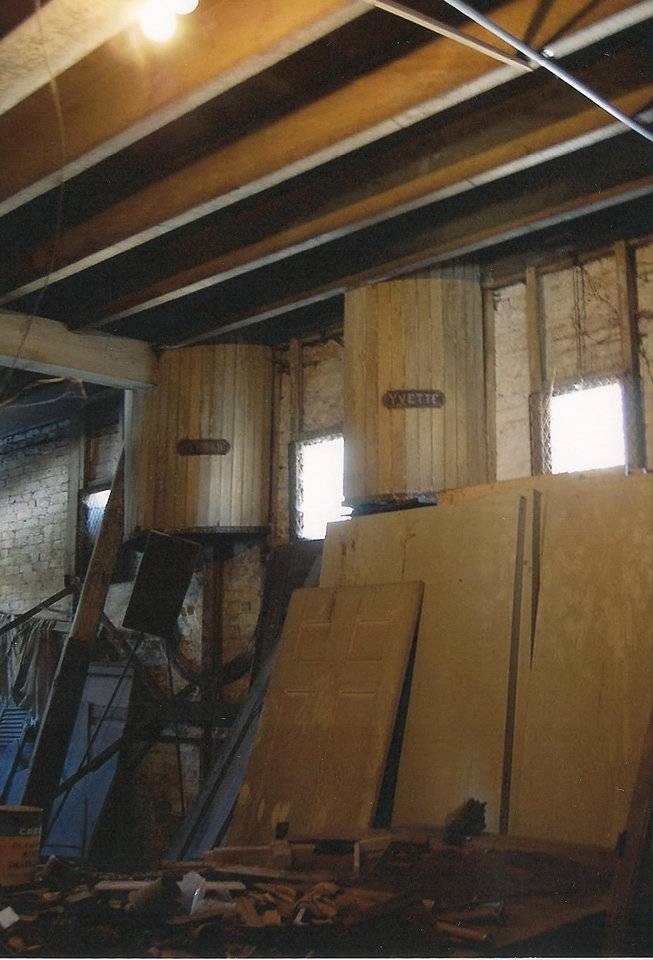
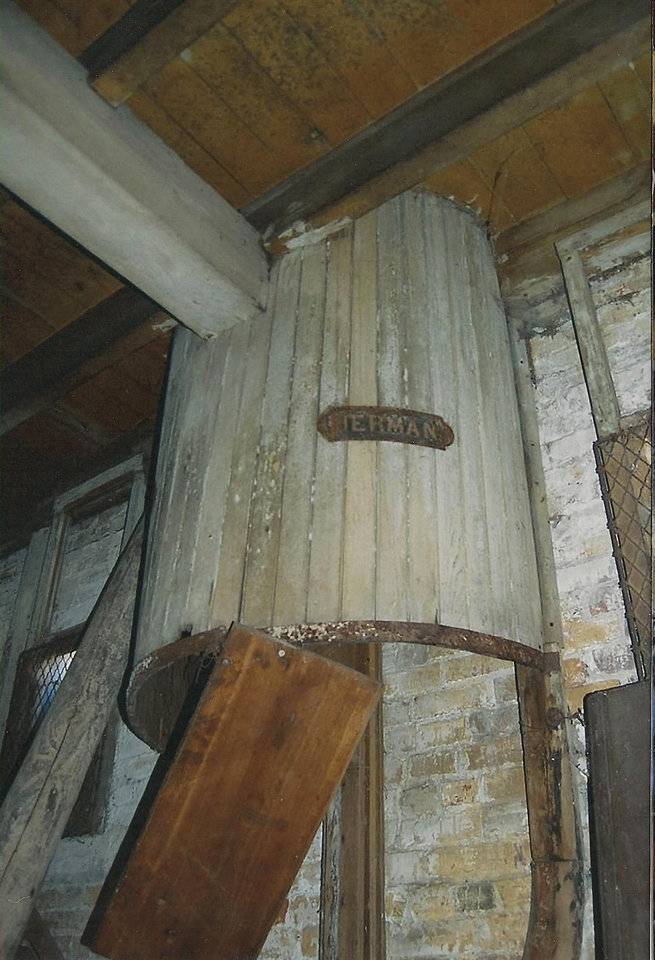
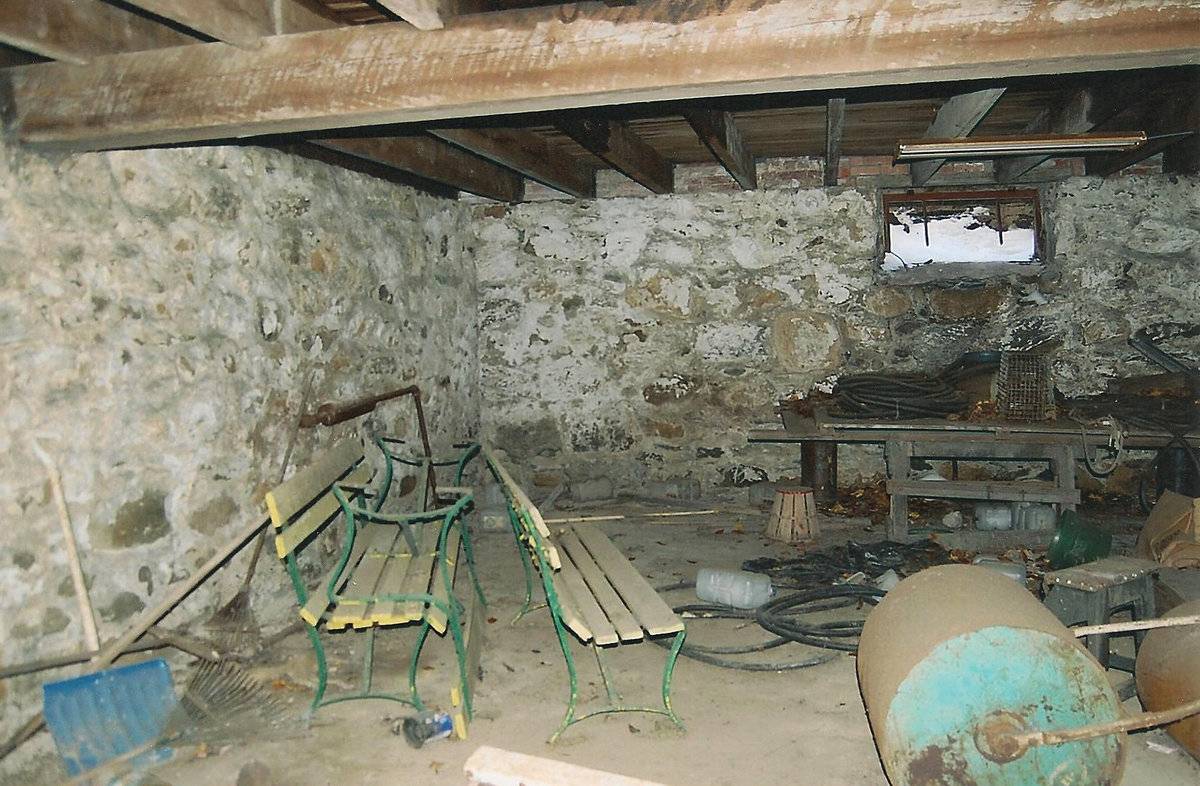
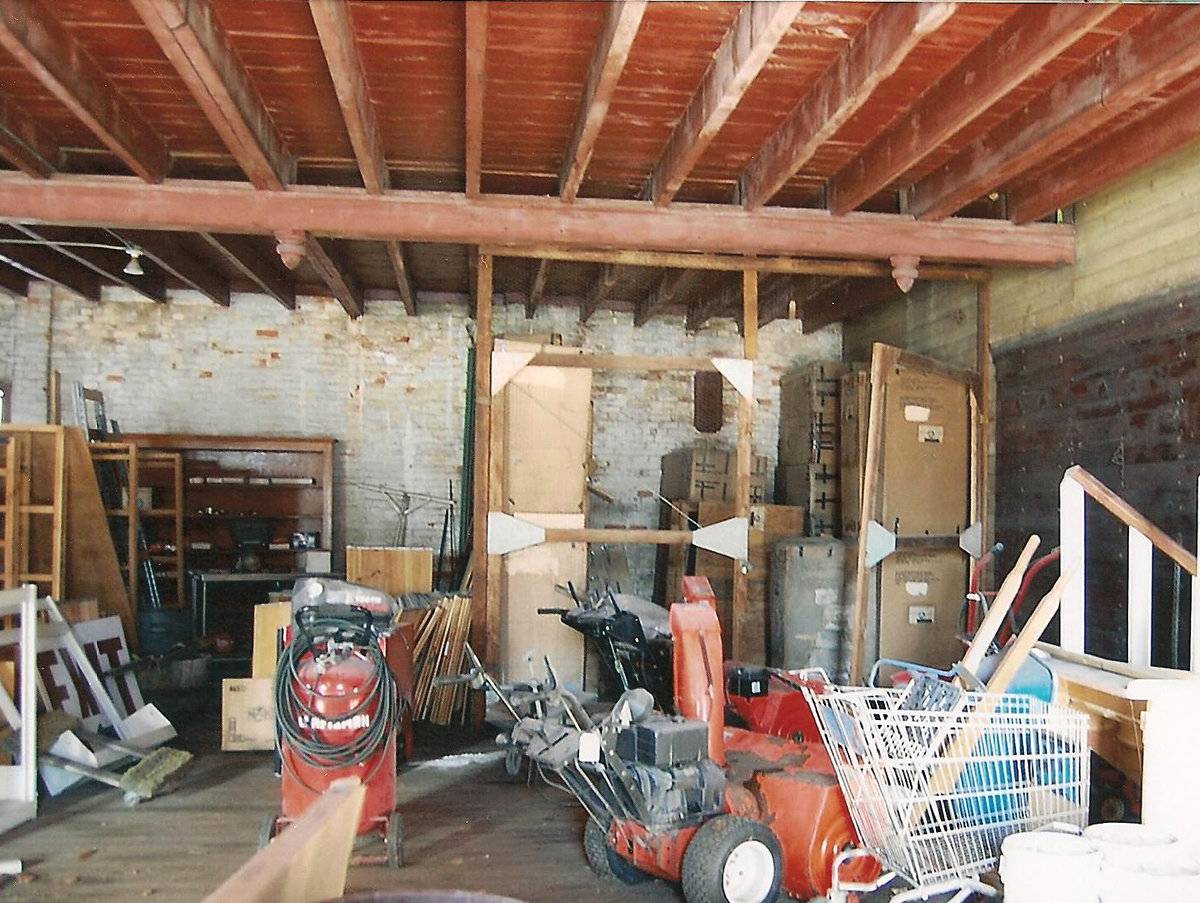
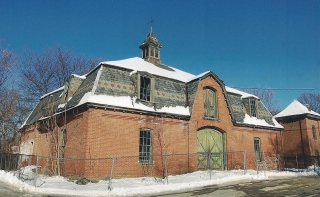
This is a 1 1/2-story Second Empire carriage house with a Mansard roof and three bays on each side. The main facade faces roughly south-southeast and is set well to the west of the street address, behind the former mansion associated with the address, now Lauralton Hall School. The main entry is a pair of X-braced, elliptical arched swinging hinged doors in the middle bay. Above the entry is a pair of smaller elliptical arched hay doors, framed by a wall-gable, gambrel dormer. Flanking the main entry are set-back bays with six-over-six double-hung windows in elliptical arches. Above the windows are dormer six-over-six double-hung windows. The corners of the south-facade and the middle bay with the main entry are not set-back. The west side of the carriage house has a six-over-six double-hung window in an elliptical arch in the south bay and a pass-through door in an elliptical arch in the north bay; the middle bay is blank. Above the window in the south bay is a dormer three-over-one double-hung window. All three bays are set-back. There is evidence of a gable-roofed addition extending west from the north 2/3’s of the west side of the carriage house. The east side of the carriage house has a series of small windows in elliptical arches in the middle bay, with one in the south bay. Above the south bay window is a dormer window. Above the middle bay is a dormer vent. Centered atop the ridge-line of the roof is a cupola. The structure is load-bearing brick. The roof is slate.
Historical significance:Until the 1830s, the horses used for riding and driving carriages were often kept in the main barn along with the other farm animals. By the 1850s, some New England farmers built separate horse stables and carriage houses. Early carriage houses were built just to shelter a carriage and perhaps a sleigh, but no horses. The pre-cursor to the twentieth-century garage, these outbuildings are distinguished by their large hinged doors, few windows, and proximity to the dooryard. The combined horse stable and carriage house continued to be a common farm building through the second half of the nineteenth century and the first decade of the twentieth century, until automobiles became common. Elaborate carriage houses were also associated with gentlemen farms and country estates of the late 19th and early 20th centuries. Another form of carriage barn, the urban livery stable, served the needs of tradespeople.
The Second Empire is a dominant style for American buildings constructed between 1860 and 1880, during the Picturesque or Romantic movement, along with Italianate and Gothic Revival styles. It is characterized by Mansard roofs with dormer windows having ornamental details including arch-topped windows, window hoods, molded cornices, and brackets.
The Mansard roof is a type of dual-pitched hipped roof, the upper part having a flatter pitch and the lower part a steep pitch. The lower pitch often has dormer windows to allow light into a full-height attic story within the volume of the roof. The lower steep pitched roof may be a straight roof or may be flared or curved. Molded cornices and decorative brackets often ornament the eaves. A few examples have central cupolas.
Field Notes
2009 Barns Grant recipient.
- Use & Accessibility
Use (Historic)
Use (Present)
Exterior Visible from Public Road?
Yes
Demolished
n/a
Location Integrity
Original Site
- Environment
Related features
Environment features
Relationship to surroundings
The carriage house is behind and to the west of the former mansion associated with the address, now a building in the campus of the Academy of Our Lady of Mercy Lauralton Hall. To the north of the carriage house is Lamplight Lane, which borders the 23 acre site to the north. To the west of the carriage house is W. Town Street, which demarcates the west border of the site. To the west and south of he carriage house is a paved parking lot. A small brick structure is just east of the carriage house. To the southeast of the carriage house is a gazebo. Just south of the gazebo is a brick building with a brick smoke stack. To the east is the school’s largest building. A hip-roofed building is to the south. The site is demarcated south of the building by Jepson Drive. To the east is open space demarcated by High street. The area surrounding the is is residential, commercial and municipal.
MBLU : 54/ 323/ 7/ /- Typology & Materials
-
Building Typology
Materials
Structural System
Roof materials
Roof type
Approximate Dimensions
60' x 50'
- Source
-
Date Compiled
11/12/2010
Compiled By
Todd Levine, reviewed by the Connecticut Trust
Sources
Photographs by Barbara Griffin.
Academy of Our Lady of Mercy at Lauralton Hall, National Register of Historic Places Nomination No. 11000611, National Park Services, 2011.
Sexton, James, PhD; Survey Narrative of the Connecticut Barn, Connecticut Trust for Historic Preservation, Hamden, CT, 2005, http://www.connecticutbarns.org/history.
Visser, Thomas D.,Field Guide to New England Barns and Farm Buildings, University Press of New England, 1997.
Vision Appraisal Online Database. www.visionappraisal.com/milfordct.
Map of Milford, CT, retrieved on November 12, 2010 from website www.zillow.com.
McAlester, Virginia & Lee, A Field Guide to American Houses, Knopf, New York, 1984, 525 pages.
- PhotosClick on image to view full file
-